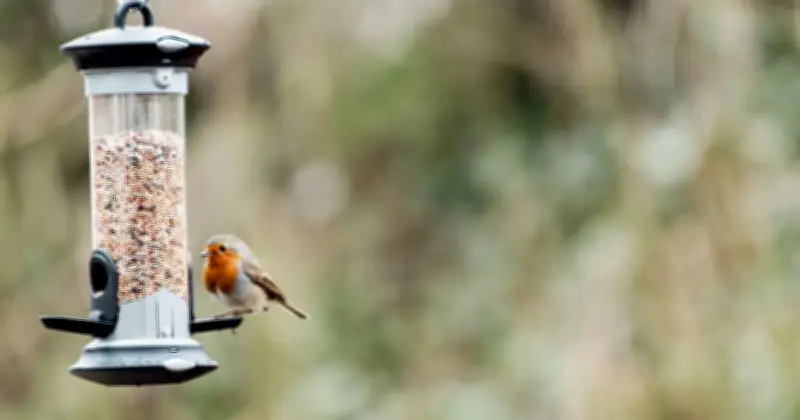
As summer warmth fades and September arrives, gardens may seem quieter as birds enter a calmer, less conspicuous stage. While cold weather and hard ground are still weeks away, garden birds could still benefit from a helping hand, and one simple kitchen cupboard snack—peanuts—can encourage robins to keep visiting.
The RSPB recommends that "birds need high-energy, high-fat foods during cold weather," but it has recently revised its bird-feeding guidance, encouraging people to "feed seasonally." High-energy and high-fat foods that birds relish include suet, sunflower seeds and mealworms, but peanuts are a more common household item that robins will appreciate.
When Should I Feed Robins in My Garden?
The RSPB recently updated its advice on bird-feeding with the key message: "feed seasonally, feed safely." This means only lightly feeding birds from May 1 to October 31 and limiting feeding to certain foods. The RSPB says: "In summer and autumn you can feed small amounts of mealworms, fatballs or suet."

The reason is to limit the spread of disease, particularly trichomonosis, a highly contagious disease that can spread where birds gather in large numbers, such as at bird feeders. This also means keeping bird feeders and water baths clean, with the RSPB advising cleaning both at least once a week. After October, the RSPB says you can feed birds "a full range of bird foods, including seeds and peanuts."
What Should I Feed Birds?
The RSPB advises putting out foods such as seed mixes (including sunflower seeds or hearts), peanuts, live or dried insect foods like mealworms (especially popular with robins and blue tits), lard and beef suet, and bruised fruit such as apples and pears.
When it comes to peanuts, there are additional considerations. They should not be salted, as this dehydrates birds. They should be kept in a suitable feeder so small chunks can be nibbled. Poor quality peanuts can carry the aflatoxin fungus, which kills birds if eaten. The RSPB says: "Make sure you buy peanuts that are guaranteed aflatoxin-free from a reputable supplier."
How to Feed and Look After Garden Birds Safely
Put out bird food and water on a regular basis in late autumn and winter, as birds need high-energy, high-fat foods during cold weather. Between April 1 and October 31, follow RSPB advice and feed less—the RSPB says "seeds and peanuts should only be fed between November and April." In spring and summer, birds still require high-protein foods, especially while moulting, and the RSPB says "mealworms are an excellent choice at this time of year in small amounts."
Keep feeders and bird baths clean by removing old food and debris regularly, scrubbing feeders with a mild disinfectant solution weekly, and moving feeders regularly to stop droppings build-up. Change water in bird baths every day. Avoid bird feeders with flat surfaces, as there is a higher risk of disease spreading. Place feeders high enough to be out of reach of ground predators like cats.