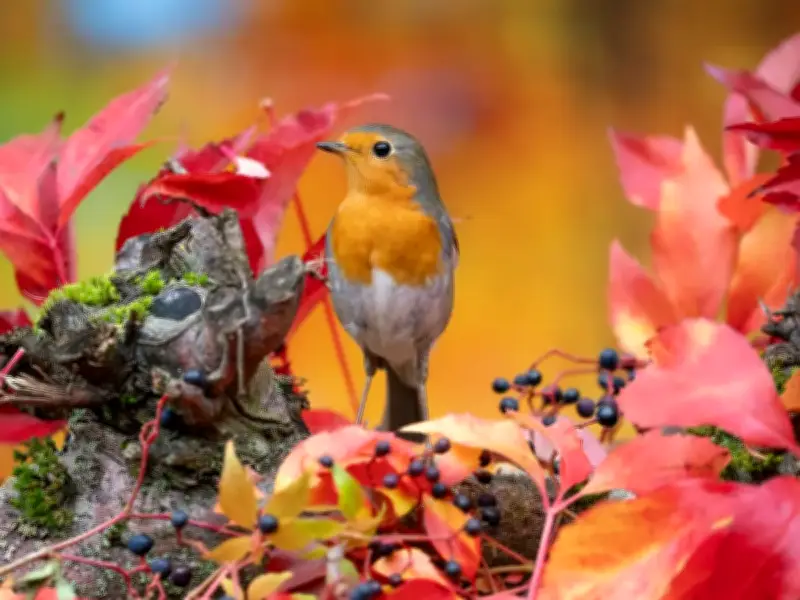
As autumn settles in, many gardeners across Wales may notice their gardens becoming quieter, with fewer birds visiting feeders. While some species have migrated, others are simply entering a less visible phase, and experts say feeding the right foods can help keep robins and other birds returning.
The RSPB advises that "birds need high-energy, high-fat foods during cold weather". However, the charity has recently updated its guidance, urging people to "feed seasonally". It recommends cutting back on feeding from May 1 to October 31, limiting offerings during those months to "small amounts of mealworms, fat balls or suet". This is because summer and autumn bring a heightened risk of disease spread, which can threaten bird populations already in decline.
What to feed robins in autumn
Overcrowded bird feeders can become "hotspots for disease", the RSPB notes. From November 1 through to the end of April, people can return to offering a full range of bird foods. In early autumn, small amounts of mealworms, fat balls or suet are considered safe.
High-energy and high-fat foods that birds enjoy include suet, peanuts, sunflower seeds and mealworms. "Mealworms are a favourite for robins, they absolutely love them," says Sue Morgan, CEO of SongBird Survival. "But I reckon if you offered sunflower hearts and mealworms... robins would really enjoy those."
Gardeners should also pay attention to hygiene. The RSPB advises removing old feed, watching for signs of illness, and keeping bird baths clean on a regular basis. Last year, the RSPB halted sales of its flat bird tables amid concerns they could contribute to the spread of fatal diseases among finches.
Why are there fewer birds in autumn?
The annual moult is one reason birds become less visible. After the breeding season, adult birds replace their worn feathers, an energy-intensive process. "Moulting is a physically demanding time for birds," the RSPB explains. "They need to conserve energy, so they become much quieter and spend more time hidden amongst vegetation, making them less conspicuous."
Autumn also brings an abundance of natural food. Berries, seeds and insects are plentiful, so birds spend less time at feeders. "Wild food sources like berries, nuts, and fallen fruits are at their peak in autumn," explains the British Trust for Ornithology (BTO), "meaning birds don't have to rely as heavily on supplementary feeding."
Young birds hatched in spring are also dispersing to explore new territories, while summer visitors like swallows and house martins are preparing for migration southwards. Resident birds, meanwhile, are focusing on survival.
How to safely help birds in your garden
To help birds safely, the RSPB advises feeding seasonally: stop seeds or peanuts from May 1 to October 31, but continue providing small amounts of mealworms, fat balls or suet. For the rest of the year, a full variety of bird foods can be offered.
Clean feeders and water baths at least once a week, avoid feeders with flat surfaces, and change water in bird baths every day. Planting bird-friendly plants such as sunflowers, teasels and ivy can also provide natural food sources. Leaving piles of leaves, seed heads and undisturbed shrubs offers essential shelter and food.