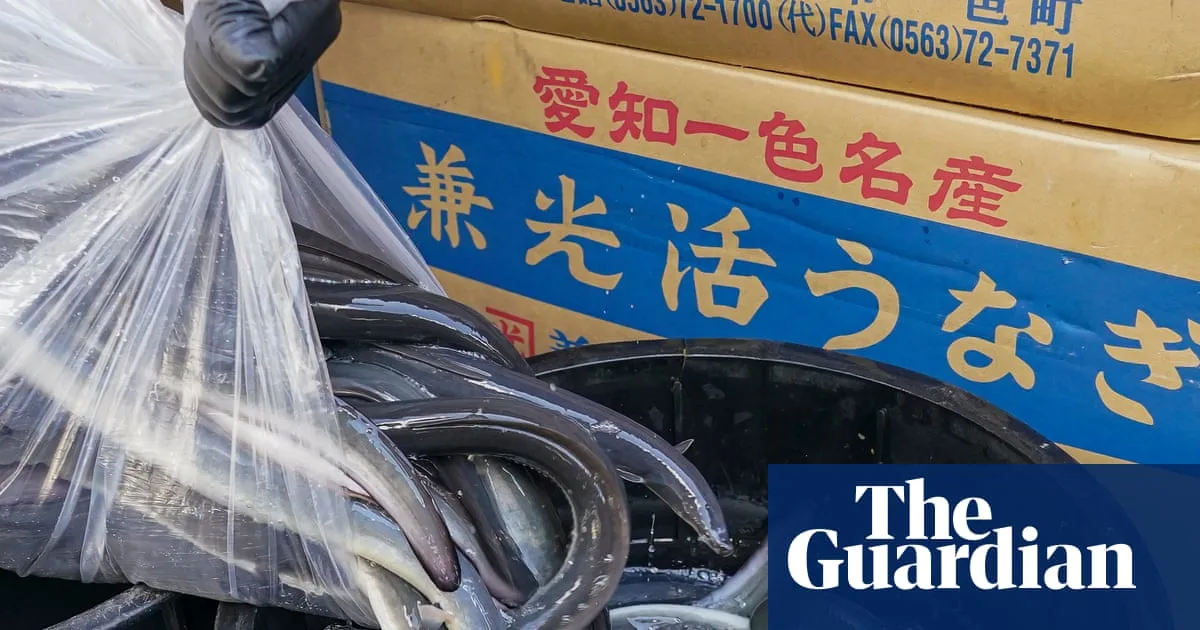
European eels, critically endangered and protected by a 15-year export ban, remain the target of a multibillion-euro trafficking industry. Worth an estimated €2.5bn (£2.1bn) annually, eel smuggling is Europe’s largest wildlife crime, with demand driven largely by Asian markets. Japan, one of the biggest consumers, imported 73% of its eel in 2024, much of it illegally sourced.
Despite Europol’s Operation Lake taskforce, launched in 2015, traffickers continue to evade authorities by shifting routes. Glass eels—the juvenile stage—are now flown to African transit countries such as Morocco, Mauritania and Senegal, where they can be ‘cleaned’ into legal exports. Smugglers hire scientists to keep mortality rates low, reflecting the high profits at stake.
Traceability remains a critical gap. While many seafood products have digital tracking from catch to consumer, eels lack a global system. This makes it nearly impossible for importers to verify origins, says Dr Hiromi Shiraishi of Chuo University. Genetic testing, developed by Dr David Baker of Hong Kong University, has helped identify European eels in retail outlets, but enforcement lags behind the scale of the trade.
Experts warn that without coordinated international action and consumer awareness, the species faces extinction. As one customer at a historic eel restaurant in Japan lamented, ‘We’ll be so sad if it becomes extinct and we can’t eat eel any more.’