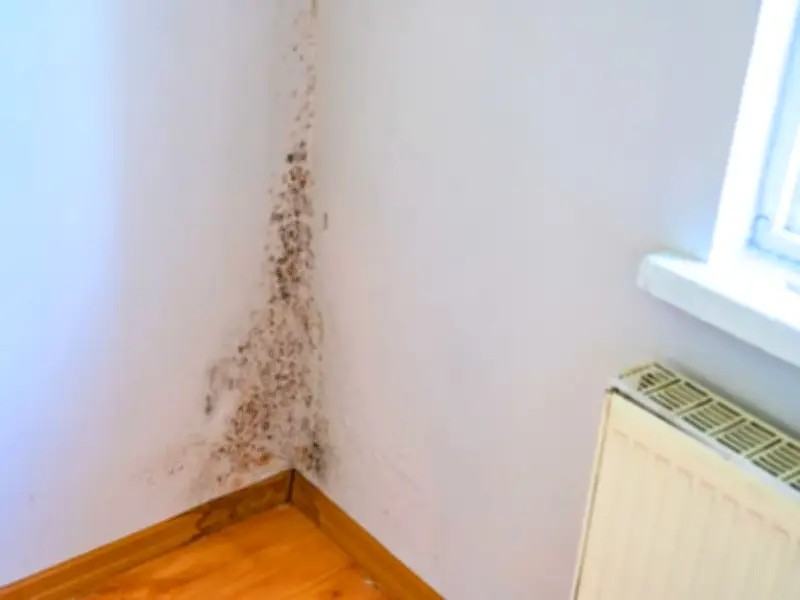
As autumn deepens and temperatures drop, homes enter peak season for dampness, mould, and condensation. Cold windowpanes, persistent rain, and drying wet laundry indoors all push up moisture levels throughout a property. Left unchecked, these conditions create ideal breeding grounds for mould.
Mould is most commonly found in moisture-prone spots like bathrooms, but it can appear anywhere when conditions are right, including bedrooms. While ventilating rooms by opening windows is the most effective prevention method, this becomes harder during autumn and winter. Specialists at Holtorf Medical Group, who treat mould exposure, suggest an alternative approach.
A Natural Solution for Mould Prevention
The specialists point to an "all-natural, affordable, and aesthetically pleasing solution to tackle mould spores in the air": keeping English ivy, a common houseplant. English ivy is known for enhancing indoor air quality and adding elegance to a home, with glossy dark green leaves and a trailing habit. Its versatile growth—climbing or cascading—makes it a good choice for brightening a room and improving air quality.
Houseplant experts at Lively Root also recommend English ivy against mould. They said: "Its exceptional ability to reduce mould and other airborne pollutants also makes it an ideal plant for bedrooms and bathrooms."
How English Ivy Works
English ivy is described as a "bona fide air-purifying powerhouse." The experts explained: "Through a process called phytoremediation, English ivy can absorb and break down volatile organic compounds (VOCs) found in the air. This plant can effectively capture and neutralise harmful substances such as formaldehyde, benzene, and mould spores." The leaves provide a large surface area for trapping particles, while the roots and surrounding microorganisms help break down and render pollutants inert.
In 2005, the American College of Allergy, Asthma, and Immunology published experimental findings on English ivy's capacity to combat mould and faecal matter. Researchers placed mouldy bread and dog faeces in separate containers and monitored airborne particles. After introducing English ivy, air quality was measured at six and 12 hours.
According to WebMD: "Six hours later, 60% of the airborne mould had vanished from the air around the ivy. Almost as much of the airborne faeces had also gone from the air (58%). After six more hours, the air was even cleaner. More than three-quarters of the airborne mould was gone (78%). So were nearly all of the airborne faeces (94%)."
Potential Downsides
Despite its benefits, English ivy could pose a risk to pets. The plant contains toxins that can trigger skin irritation, vomiting, allergic reactions, and more. Both people and animals can experience these symptoms if they come into contact with the plant or accidentally ingest even a small amount.