
Gardeners should start moving tender plants indoors when temperatures drop below 12°C, according to the Royal Horticultural Society (RHS). The advice comes as autumn and winter approach, when delicate plants left outdoors risk damage from cold and frost.
The RHS recommends a conservatory as the ideal spot to house plants from now until temperatures rise again. In frost-prone areas, a conservatory provides the right conditions for plants that need strong light and dry surroundings.
Best spots for different plants
Tropical plants and exotic crops that flourished outside during summer are better brought indoors for autumn and winter to boost their chances of surviving until spring. A heated conservatory, kept at around 15-20°C, suits plants such as begonias, brugmansia, gardenias, pelargoniums and fuchsias, along with others that need higher temperatures.
For a more cost-effective option, an unheated conservatory maintaining about 10°C suits Hibiscus rosa-sinensis, plectranthus and plumbago, and, if watered sparingly, bougainvillea, citrus and clivia.
Hardier options and moving tips
Temperatures above 5-7°C are enough to protect container-grown climbers such as Jasminum polyanthum, tender salvias, echiums, and delicate southern hemisphere plants including cordyline and callistemon. Windowsills can host succulents like agave and echeveria, as well as bulbs such as freesia and nerine, which need to stay dry in winter.
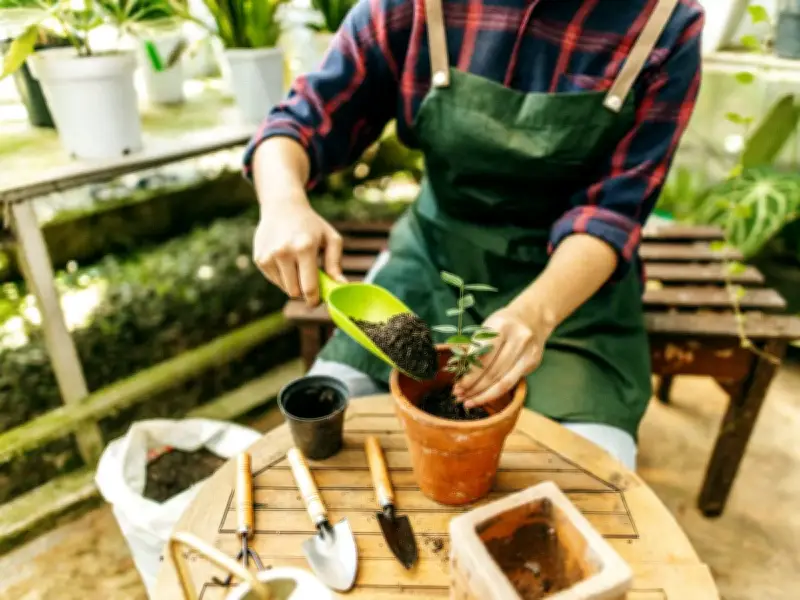
The RHS warns that plants can be damaged even when sheltered outdoors, so it is worth checking the weather forecast. To move plants safely, lift them gently with a border spade or fork, keeping the root ball intact. Remove excess soil, cut back stems, and repot in fresh compost, carrying out gentle pruning and clearing dead or diseased foliage if needed.
Before moving plants, the RHS advises inspecting them for soil-dwelling pests, fungal problems, bugs, scale insects and aphids. It also recommends monitoring watering closely, as plants need considerably less water in colder periods. Browning leaf tips or yellowing edges, often signs of dehydration, can also result from low humidity, so misting foliage regularly or clustering plants together can help maintain humidity levels.




