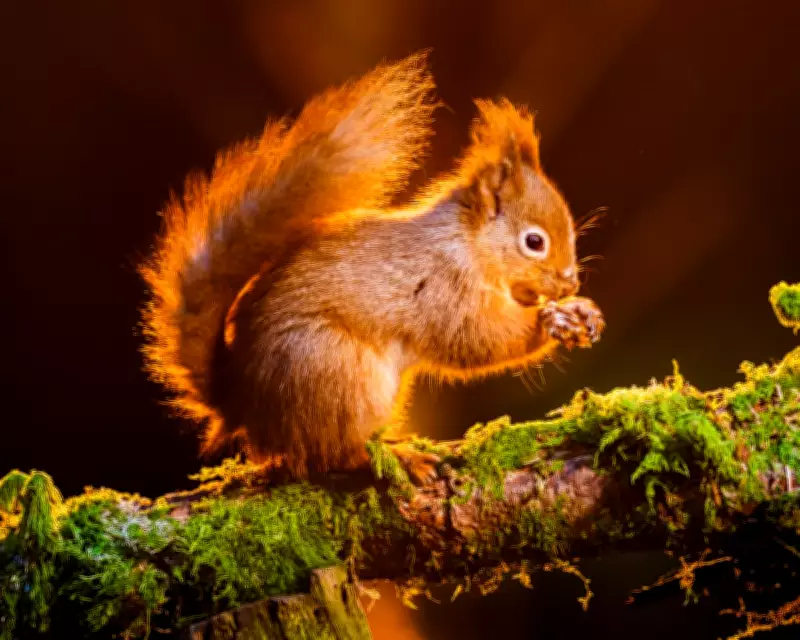
England's iconic red squirrel population has suffered a devastating decline, with recent reports indicating a decimation that threatens the species' long-term survival in the region. Conservationists are sounding alarms as numbers have plummeted dramatically, driven by a combination of habitat destruction, the spread of squirrelpox virus, and intense competition from invasive grey squirrels.
Factors Behind the Population Collapse
The decline of red squirrels in England is attributed to multiple interconnected factors. Habitat loss due to urban development and deforestation has significantly reduced their natural living spaces, forcing populations into fragmented areas. Additionally, the squirrelpox virus, carried by non-native grey squirrels, has proven lethal to red squirrels, who lack immunity, leading to widespread fatalities in affected colonies.
Impact of Invasive Grey Squirrels
Invasive grey squirrels, introduced from North America, have outcompeted red squirrels for food and resources, exacerbating the decline. Their larger size and aggressive behaviour allow them to dominate habitats, while they also act as carriers for diseases that devastate red squirrel populations. This competition has pushed red squirrels to the brink in many parts of England, with some regions reporting near-total local extinctions.

Conservation Efforts and Challenges
In response to the crisis, conservation groups and government agencies have launched initiatives to protect and restore red squirrel populations. These efforts include habitat restoration projects, controlled management of grey squirrel numbers, and public awareness campaigns to promote coexistence. However, challenges persist, such as limited funding, the slow pace of habitat recovery, and the ongoing threat of disease outbreaks.
Future Outlook for Red Squirrels
The future of red squirrels in England remains uncertain, with experts warning that without sustained intervention, the species could face regional extinction. Long-term strategies focus on creating connected wildlife corridors, enhancing disease monitoring, and fostering community involvement in conservation. Success will depend on coordinated action across sectors to address the root causes of the decline and ensure a viable future for this cherished native species.