
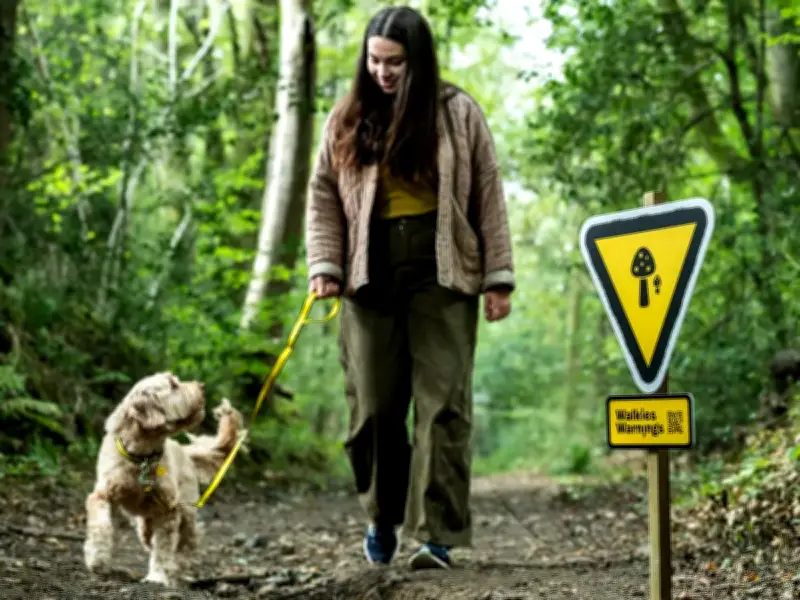
Dogs Trust has unveiled new Walkies Warning Signs to help dog owners navigate seasonal dangers during autumn walks. The signs are designed to highlight common hidden hazards of the season and are initially being tested in a popular walking area on the fringes of the South Downs National Park.
The charity is positioning the signs at a dog's-eye level and at a safe distance from potential dangers. The 'sniffable signs' are infused with a dog-friendly scent to attract inquisitive canines, prompting their owners to take note of the risks in the vicinity. Each sign features a QR code that links to expert advice on identifying seasonal hazards and ensuring dogs' safety.
Research reveals lack of awareness
The trial comes as new research reveals that nine out of 10 (88%) owners cannot identify all of the season's most common dangers for dogs — when in reality there are seven main threats to be aware of following the change in season, ranging from toxic mushrooms to ticks.
Despite nearly nine out of 10 (87%) reporting encounters with at least one of these hazards during an autumn dog walk in the past year, almost two thirds (63%) did not recognise acorns as a danger, while over half (51%) did not identify conkers as a risk.
Key autumnal dangers for dogs
The main hazards highlighted by Dogs Trust include toxic mushrooms and fungi, which can be poisonous to dogs and are tricky to distinguish. Acorns and conkers can make dogs poorly and may cause a dangerous obstruction if eaten. Rotting and mouldy fruit, from fruit to bread left behind after a picnic, can be poisonous, while some pips and stones can cause illness or a dangerous blockage.
Slugs and snails can harbour parasites that are dangerous to dogs, so owners should prevent their dog from eating them or licking their slime trails. Ticks can latch onto dogs and may spread disease or cause irritation, so a thorough post-walk inspection is advised, particularly after walks through long grass or woodland areas.
How to keep dogs away from hazards
Dogs Trust veterinary expert Tesse Kimber urges owners to teach a 'this way' cue to dogs, helping to keep them safe when they may have come across something hazardous. The 'swap and drop' technique is recommended as an alternative approach, particularly during more challenging situations. Owners are advised to carry something of high value, such as a treat or favourite toy, on every walk.
They should capture their dog's attention, then toss the high value item a short distance away so that the dog drops the toxic item to retrieve the reward. The treat will also help owners lure their dog away from the sniffable sign once they have noticed its warning.
Senior Veterinary Surgeon at Dogs Trust Tesse Kimber said: "There are many hazards that come with the 'ruff season', but also simple and easy ways to keep dogs safe. Our online guide and Walkies Warning Signs mean both dogs and their owners can confidently enjoy every walk."
"Some simple steps include being vigilant, keeping your dog on a lead and away from potential hazards, and bringing high value treats with you in case you need them. Know the warning signs – lethargy, upset stomach, restlessness and rashes can all be signs of potential ingested toxins. And act fast; get your dog to the vet right away if your dog shows any signs of encountering a hazard."
If the trial proves successful, Dogs Trust hopes to roll out the signs at other walking locations across the UK. The complete guide on how to keep dogs safe can be found on the Dogs Trust website at www.dogstrust.org.uk/autumn.




