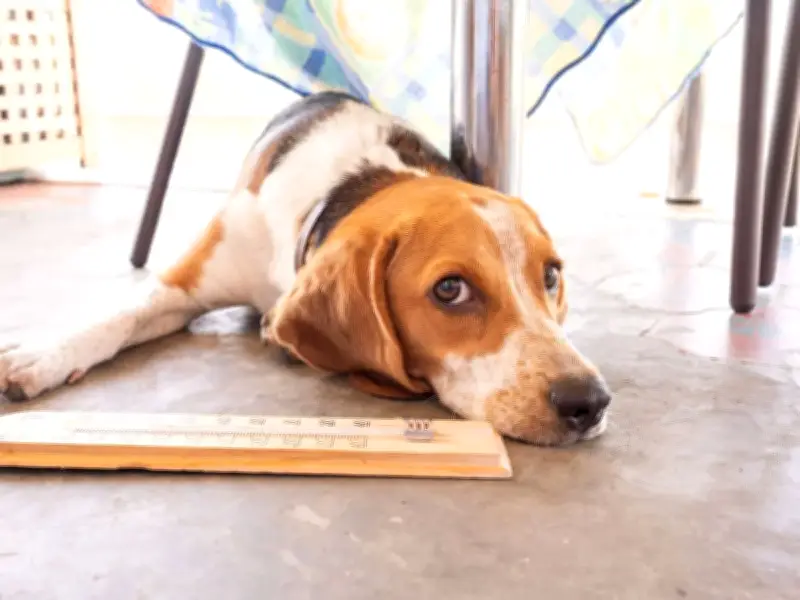
The RSPCA has warned that exercise is the most common trigger of heatstroke in dogs, prompting the charity to recommend that owners adjust their daily routines to suit the conditions. With scorching summer temperatures posing a serious risk to pets, recognising the warning signs is crucial to preventing harm.
No 'safe' temperature for walks
The organisation stresses there isn't a universally 'safe' temperature, as it depends on the dog's breed, age, health status and typical activity levels. While owners monitor their dogs' activity during hot spells, there are vital indicators to watch for that suggest heatstroke.
Michael Sheils, Brand Ambassador at UK dog grooming supplier Christie's Direct, explains: "If you notice any of these, it's time to get your dog out of the sun and start cooling them down immediately."

Subtle signs to watch for
One particularly subtle warning sign involves checking the dog's gums for any colour changes. Sheils advises: "Gently lift their lip. A healthy dog's gums should be a nice, healthy pink. If they look bright red, dark red, blue, grey, or unusually pale, something is wrong."
Another warning sign is heavy, frantic panting. If the panting is rapid, excessively loud, or fails to ease off even when the dog is resting in the shade, this should raise serious concern.
Keep a close eye on the dog's movements; restlessness and pacing could indicate heatstroke. Anxious behaviours such as wandering aimlessly and seeking out a place to hide are typically telltale signs.
Advanced symptoms and emergency action
A change in the texture of saliva, such as thick, sticky, or stringy saliva, is a strong warning sign. Advanced symptoms include neurological problems, described by Sheils as the dog "walking like they're dizzy, stumbling, or appearing clumsy and uncoordinated." Severe lethargy, collapsing, seizures, and gastrointestinal upset or sudden vomiting could also indicate severe heatstroke.
Sheils advises: "If you suspect your dog is suffering from heatstroke, cool them down immediately. Move them to a shaded, cool area and use a fan if you have one. Douse them with cool, never freezing or ice-cold, water, focusing on their underbelly and paws. Let them drink small amounts of cool water if they're conscious. Don't wait to see if they get better; call your nearest vet or emergency clinic straight away."