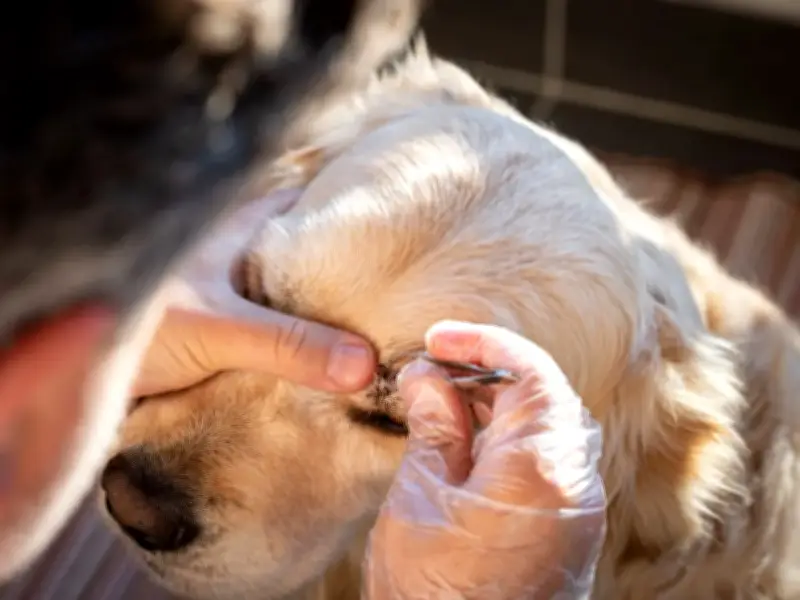
Dog owners have been urged to be more vigilant after walks following a fresh reminder about the risks posed by blood-sucking parasites. The RSPCA says ticks can attach to pets and may be difficult to spot, with owners urged to know what to look for.
Signs and hidden spots
The warning comes as the charity highlights signs that could indicate a tick has attached to a pet, including reddish-brown, grey or black bumps on the skin. But according to animal health expert Scott Cieslar, simply running your hands over a dog's coat may not be enough to find one.
Cieslar, an animal health expert at Mad Barn, says owners should pay particular attention to parts of the body that can disappear from view during a routine check. One area in particular can be easy to overlook because of the way a dog's paw sits when it is standing.

How to check properly
He said: "The mistake is checking the paw while the dog is standing on it. When the foot is bearing weight, the toes sit together and the webbing disappears from view. Lift the paw so it is relaxed, separate each pair of toes individually and look right into the webbing and around the outside edge of every pad."
"On a long-haired dog, use one hand to hold the toes apart and the other to move the hair away. That is a very different check from simply looking at the top and bottom of the foot."
The check should be carried out before wiping muddy paws, brushing the coat or washing the dog, Cieslar says. He advises examining the animal while its fur is still lying naturally, using fingertips to move gently through the coat.
Useful tools and further checks
A phone torch can also help with darker or thicker coats, particularly when held at an angle rather than pointed directly at the skin. Cieslar says side lighting can make small raised areas easier to see.
The inspection should not stop at the paws, either. The RSPCA says ticks can be found in sheltered areas including beneath collars, under the front legs, inside the ears and between the toes.
Cieslar recommends removing collars and harnesses completely rather than simply slipping fingers underneath them. If something unusual is found on one side of the body, he also suggests checking the same position on the other side to help identify differences.
Finding one possible tick should not mean ending the search. Cieslar says owners should complete checks on all four paws before moving on to the ears, legs and areas covered by collars or harnesses.
Removal and prevention
If a tick is found, the RSPCA advises using a suitable tick-removal tool and says owners should not squeeze the parasite, burn it or try to suffocate it with lotion. The charity also recommends speaking to a vet about suitable preventative treatments, while stressing these should not replace physical checks.
Ticks can transmit diseases including Lyme disease, making regular checks particularly important after time outdoors. The RSPCA says pets can pick up ticks throughout the year, although they are most common between spring and autumn.