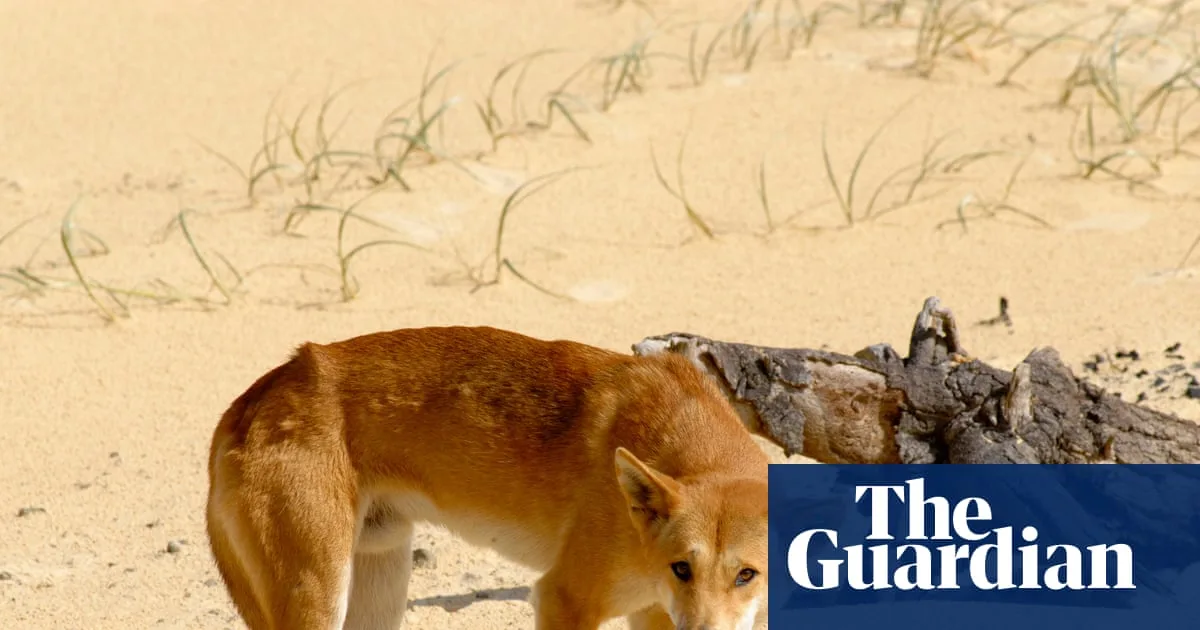
The Queensland government has culled six of ten dingoes linked to the death of Canadian tourist Piper James on K'gari (formerly Fraser Island), sparking outrage from experts who warn the move could push the island's already vulnerable population into an 'extinction vortex'. Dr Kylie Cairns, a dingo genetics expert at the University of New South Wales, said the isolated population of 70 to 200 animals has low genetic diversity and high inbreeding, making the removal of ten individuals disproportionately damaging.
Piper James, 19, died on 19 January after going for an early morning swim alone. Her body was found surrounded by a dingo pack near the Maheno shipwreck. A preliminary autopsy found evidence consistent with drowning and both pre-mortem and postmortem dingo bite marks. Her mother, Angela, told the ABC that killing the dingoes 'is the last thing Piper would want', while her father, Todd, said he didn't think Piper would have supported the cull but acknowledged the pack's behaviour might necessitate euthanasia for island safety.
Dr Cairns expressed frustration that scientific evidence on the dingo population's genetic fragility was not being used in decision-making. She warned that further reductions could lead to pups born with disfigurements and mothers suffering stillbirths, and that removing a pack could encourage other groups to move into vacant territory, potentially increasing conflict. 'We are punishing animals for doing what wild animals do in a way that likely won't help people in the future,' she said.
Dr Bradley Smith, an expert on dingo-human conflict at Central Queensland University, called the cull a 'kneejerk reaction' and 'dumb management' aimed at cheap political points rather than addressing the underlying issue of human behaviour. 'You can't stop a dingo being a dingo, but you can change how humans behave,' he said, noting that male dingoes are currently in a breeding cycle with elevated testosterone, making them more aggressive only temporarily. The Queensland government defended the cull as 'informed and in the public interest', citing further aggressive behaviour by the pack since the tragedy.