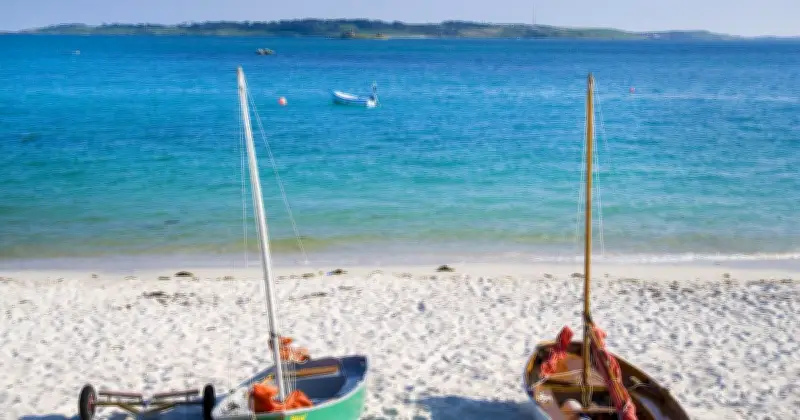
St Martin's, a car-free island in the Isles of Scilly, has been ranked fifth in a new index of the world's quietest islands, with its white sandy beaches and turquoise waters earning it the nickname 'the Caribbean of the UK'.
Island life and activities
The tiny island, located just 28 miles off the coast of Cornwall, has only 135 residents and is virtually car-free, with just a small number of local vehicles. Visitors can explore rock pools at Lawrence's Bay, swim at Par Beach, or try to spot Atlantic grey seals.
Despite its small population, the island offers a flower farm and vineyard, a jewellery studio, an artisan bakery, and a gallery showcasing local artwork. After dark, the lack of artificial light makes the islands ideal for stargazing, with visitors able to visit Scilly's only observatory.

Unspoilt Index ranking
The ranking comes from the Unspoilt Index by retreat marketplace BookRetreats.com, which assessed 100 islands based on rich nature, few roads, low air traffic, uncrowded space, dark night skies, and natural coastal spots. The index drew on insight from silence researcher, author, and psychology professor Olga Lehmann.
"Quiet means something different for each of us," said Lehmann, "but there are factual markers that count. Low decibel levels in our surroundings are important, and the natural and architectural qualities of a place can all shape the soundscape we experience and whether it lets us truly rest."
Getting there and other rankings
Visitors can reach the Isles of Scilly by ferry or plane from Cornwall, then take a boat from St Mary's to St Martin's, making the island feel like an escape without a long-haul journey.
Scotland's Isle of Skye came 11th in the ranking, while Herm, the car-free Channel Island home to around 60 people, took 14th place. "Islands have always been where we go to escape, but very few are still as quiet as they once were," said Sean Kelly, co-founder of BookRetreats.com. "Our Unspoilt Index maps where the last genuinely quiet ones are, and what's clear from the data is that they're peaceful because people chose to protect them, and still do."