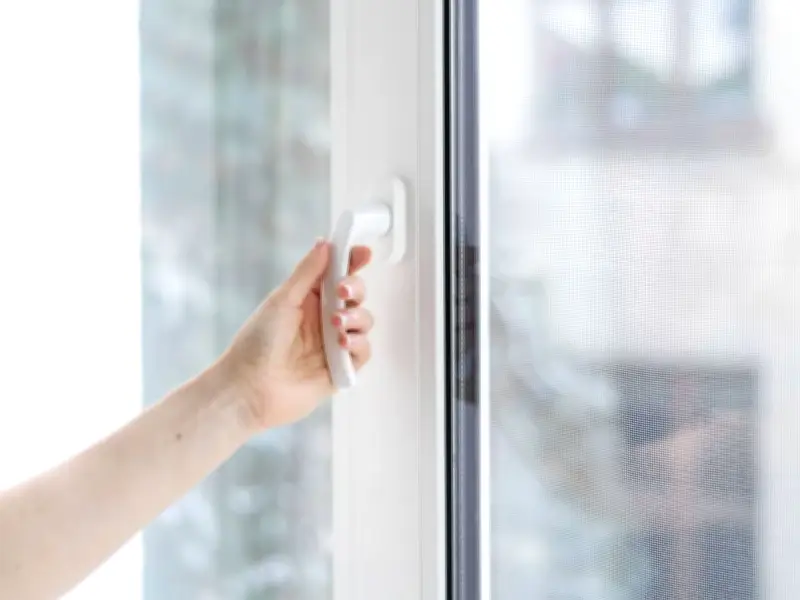
Households across the UK are being urged to keep their windows closed from 7pm onwards over the coming four weeks. Following this week's drop in temperatures after the recent heatwave, Britain is set to enter a spell of cooler weather.
Spider season arrives with cooler nights
With autumn fast approaching, spider season is also upon us, as house spiders begin venturing indoors in search of warmth as the nights draw in. Experts are cautioning that it's not just the common house spider that residents need to be wary of. The noble false widow spider (Steatoda nobilis) is becoming an increasingly frequent visitor in British homes.
Although bites are uncommon, they can trigger symptoms akin to those of a bee or wasp sting, including pain, swelling, and in certain cases, fever, reports the Manchester Evening News.

Expert advice on prevention
Alan Reid, a windows specialist at Art Windows and Doors, stresses that the next four weeks are critical.
"Male house spiders and false widows are on the move, and homes with open windows are at risk of infestation. Now is the time to seal gaps and shut windows before spider season peaks," Alan advises.
By taking straightforward precautions now, Brits can embrace the autumn season without unwanted eight-legged guests making themselves at home.
How to keep spiders out
Closing windows in the evening is essential, as spiders tend to venture indoors at dusk. Shutting windows from 7pm onwards remains the most straightforward line of defence.
It is also recommended to seal any gaps and cracks. Check doors, windows, and vents for potential entry points and apply weather stripping or sealant to block access.
Utilise natural deterrents such as peppermint, tea tree, or lavender essential oils diluted with water to discourage spiders, and apply the solution around potential entry points.
Finally, maintain a tidy home, as routine dusting and hoovering eliminates hiding places and food sources.
What to do if you spot a false widow spider
First and foremost, remain calm - they are not aggressive and will only bite if threatened.
Remove them carefully using the "glass and paper" method to capture and release them outdoors.
In the worst case, if you are bitten, most bites result in localised pain and swelling. Clean the affected area, apply a cold compress, and seek medical attention should symptoms deteriorate.