Birdwatching could aid stroke recovery, according to new research. US scientists suggest the popular hobby may offer a natural, low-pressure setting that encourages communication by tapping into shared attention and curiosity.
Programme for stroke survivors
Each summer, stroke survivors join the University of Montana’s Intensive Comprehensive Aphasia Programme (ICAP), taking part in community-based, curiosity-driven bird-themed activities. Bird researchers and speech-language experts offer healing activities as part of the project.
Co-director Doctor Jenna Musick said: “The linguistic demand is low, and people can participate at whatever level they want.” The team is now working to track outcomes, train clinicians and expand the initiative.
Origins and expansion
The aim is for similar programmes to help stroke survivors with aphasia beyond Montana. The collaboration started in 2021 on an outdoor campus patio, after ICAP participants said they wanted to learn more about owls as part of their rehabilitation.
Owl artefacts - including preserved specimens and related materials - piqued participants’ curiosity and created opportunities to practise conversation. The activity evolved into an ongoing collaboration between Dr Victoria Dreitz, an avian ecologist, plus Dr Musick and Professor Catherine Off, experts in stroke rehabilitation and research.
From the artefacts to nesting hawks, Dr Musick says the partnership has grown into an essential component of the UM birding programme. She said avian observation shows how nature experiences support communicative participation, engagement and quality of life for people with aphasia.
Understanding aphasia
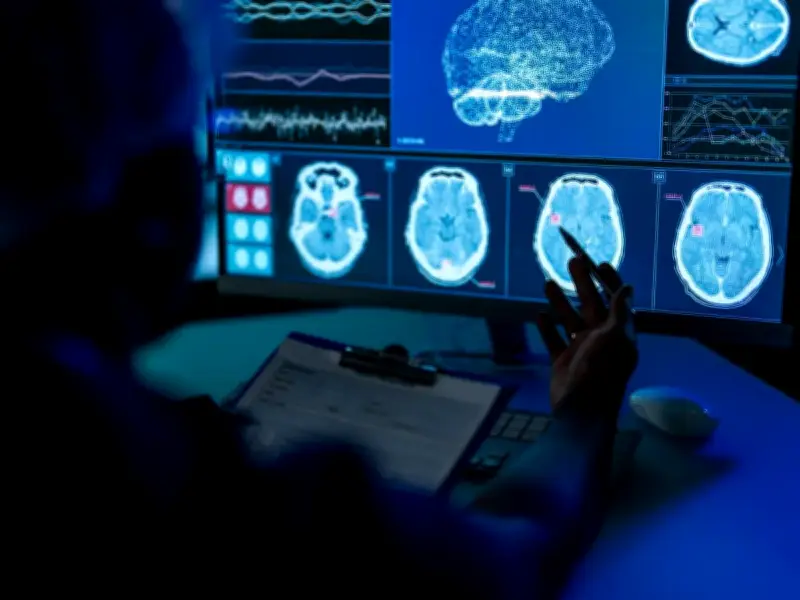
The NHS explains that aphasia (also called dysphasia) “is a condition that makes it difficult to communicate. It can make it hard to speak, read, write and understand others. It's often caused by a stroke or brain injury. There's no cure, but people usually improve with treatment.”
It affects people in different ways, but symptoms may include difficulty reading or writing, making up words or sounds, not being able to understand what other people are saying, repeating or mixing up words, finding it very difficult to speak, or speaking very slowly with long pauses.
Around one in three stroke survivors are affected, often struggling with speech, understanding spoken language, and reading and writing. The study, published in Frontiers in Bird Science, says the condition can limit people’s ability to participate in community life, raising the risk of isolation and depression.
Expert perspectives
Professor Off, who co-directs the project, said: “Aphasia is an identity theft. People with aphasia do not have intellectual challenges. They are themselves inside their own head. The challenge is that their language function has changed.”
She said the most effective rehabilitation strategies incorporate clinical treatment with opportunities for meaningful engagement in real life. Prof Off added: “Communication function doesn’t improve until you want to communicate about something. We’re out of the therapy room now. We’re saying: enjoy being with people, enjoy being outside and let the communication come.”
Dr Dreitz said birds are, perhaps surprisingly, particularly well suited to this approach. She explained that the Montana campus hosts many species, making it an ideal setting to offer bird-focused experiences for participants attending the programme on site.
The doctor added that bird watching in group settings fosters engagement through shared attention during a nature experience - both of which have been shown to improve well-being. She said: “Birdsong and calls, bird movements and seasonal rhythms, and birds’ nearly universal presence in both urban and rural areas make them both accessible and interesting.”
“Birds are one of those rare things where your entry point can be anywhere – from sitting and staring out a window to mapping out a trail to see a unique species. You can start where you’re at. What do you have in your backyard? That’s what it's about.”
Unique collaboration
The team say the Avian Science Centre at the University of Montana's most unique collaboration is the partnership with speech-language pathology.
Dr Musick said: “Communication challenges like aphasia often leave people feeling disconnected from former identities and activities. People may feel they can’t return to the hobbies they once loved, but finding a new passion can create excitement and purpose.”
The team supports ICAP participants through bird-centered engagement. Stroke survivors can talk about what they’re seeing, ask questions, help each other use the equipment, and carry on the conversation with their families afterwards. Dr Musick added: “They go home that night and talk to their care partners about it. It creates ongoing conversation.”