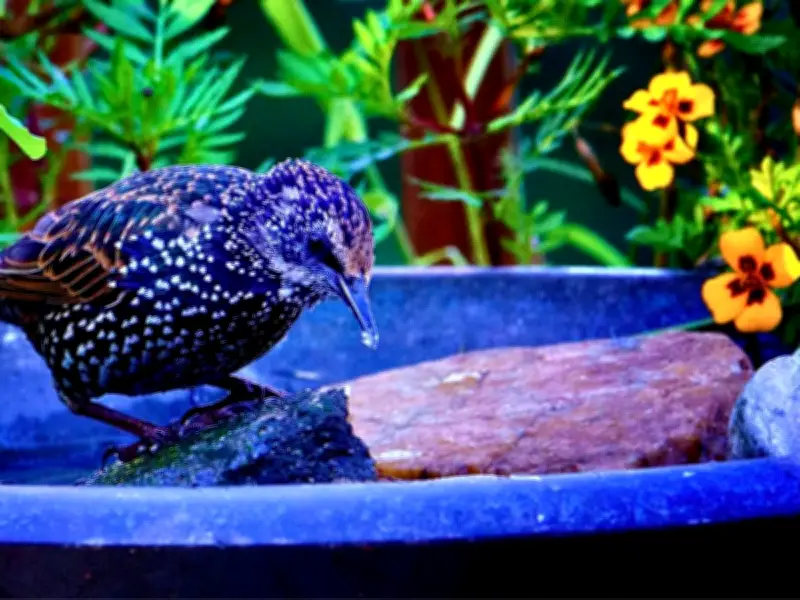
Gardeners can attract more birds this autumn by spending 10 minutes moving their birdbath to a sunnier, partially shaded location. Birds are more likely to visit gardens in October as fallen seeds become abundant, making a birdbath more practical than a feeder during the autumn months.
Many natural water sources become murky at this time of year due to falling leaves, leaving birds in need of a clean spot to drink and bathe. However, birds are wary creatures and will only use a birdbath if it is positioned correctly.
Morning Sun and Shelter Are Key
Matt from Garden Ornaments advised that most bird baths should be placed where they receive plenty of morning sunlight. He said: "Birds bathe most actively in the first half of the day, particularly mornings between 7am and 10am...a bath catching morning sun warms the water slightly, making bathing more comfortable."
As autumn nights grow colder, a birdbath in an overly shaded corner will have uncomfortably cold water during peak bathing hours. Conversely, a fully exposed spot is not advisable either, as afternoon heat can overheat the water and encourage algae and bacteria growth.
Optimal Placement and Safety Distance
The optimum location is the east or south-eastern corner of the garden, where the bath gets morning sun but remains partially shaded in the afternoon. This keeps water at an ideal temperature, encouraging repeat visits. Avoid northern corners or spots directly beneath trees, which leave water chilly and stagnant.
Birdbaths should be placed at least three to five metres from trees, hedges, bushes, or other places where cats might lurk. This gives birds room to spot predators while still allowing a swift escape if a cat appears.
Avoid Feeders and Droppings
A common mistake is placing birdbaths alongside feeders, where droppings can contaminate the water. Keeping birdbaths at least three metres from any feeder maintains cleanliness longer and helps curb the spread of disease.
Taking 10 minutes to relocate a birdbath to a more suitable spot will guarantee a flurry of wildlife visits this autumn.