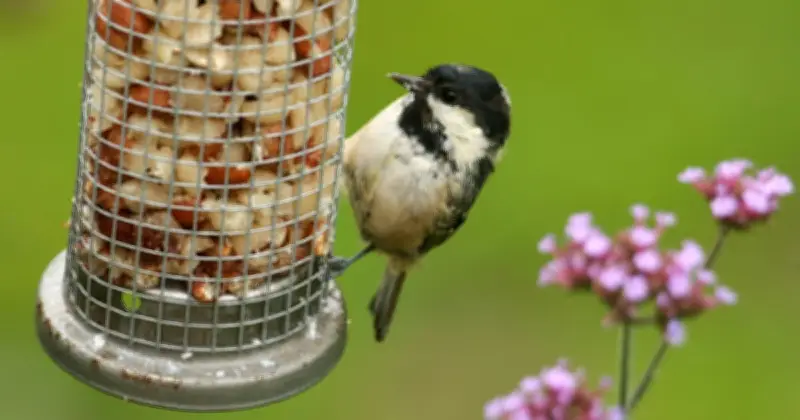
As rain returns to the UK this week, wildlife experts are advising homeowners to keep garden bird feeders free from harmful bacteria to protect local wildlife from deadly diseases. The guidance comes as rainfall across many parts of the country can leave stale food and surrounding areas damp, making it harder to maintain hygiene at feeding stations.
Risk of Disease Increases in Warm Weather
Outdoor living specialists at TDP say hygienic bird feeders are essential because the threat of disease transmission is higher during warmer months. The parasitic disease trichomonosis can be fatal for many bird populations and is mainly spread through saliva and contaminated food and water supplies. In summer, busy bird feeders become breeding grounds for disease as more birds gather, while warmer temperatures allow the parasite to survive longer without a host.
RSPB Cleaning Recommendations
The RSPB recommends households clean bird feeders at least once a week with hot soapy water, removing any stale food or droppings from around the feeders and disinfecting surfaces with non-toxic or mild solutions. Households are also advised to avoid placing feeders beneath spots where birds roost, such as trees, to prevent contamination spreading through droppings.

Feeder Material Matters
Specialists from TDP explain that the material of a feeder plays a considerable role in cleanliness. Traditional wooden feeders are more porous and can harbour bacteria in cracks and crevices, making them harder to clean and disinfect, while also attracting pests. Standard plastic feeders are simpler to wipe down but can deteriorate under prolonged UV exposure. For the best combination, outdoor specialists recommend recycled plastic feeders, which offer smooth, easy-clean surfaces with superior weatherproofing and durability.
Kym Barlow from TDP said: "Trichomonosis is a serious threat to garden bird populations, and contaminated feeders are one of the primary ways it spreads. But it's easy to underestimate how quickly they can become a health hazard. A few minutes of cleaning each week can make a real difference to the birds visiting your garden, and it really helps protect local wildlife."
Barlow added: "If you have a standard wooden or plastic feeder, take a close look for any wear and damage. You might not realise until you're up close that there are small cracks and crevices which could be harbouring harmful bacteria. Looking after the planet and wildlife goes hand in hand, which is why we design our feeders using recycled plastic that would otherwise go to waste. The smooth, durable surface makes cleaning quick and effective with no cracks for bacteria to hide in."