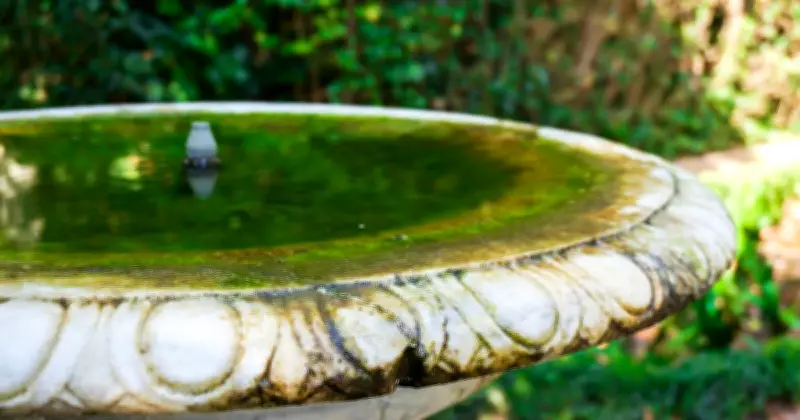
A simple household trick involving a copper penny can keep bird bath water free from algae for months, but UK gardeners are being warned to check the date on the coin first. Using the wrong penny could harm the very birds the trick is meant to help.
The method, which has been shared online several times, involves dropping an old penny into the water to slow algae growth. However, a TikTok user known as gigisgardentips has shared important advice about the trick in a video that has gained more than 80,000 views.
Why the Penny's Date Matters
The video caption explains the science behind the hack: “Pennies made before 1982 are mostly copper, which has natural antimicrobial properties that help slow algae growth. But pennies made after 1982 are mostly zinc, and if they corrode in water, they can release zinc into the birdbath.”

The warning continues: “Even small amounts of zinc can be toxic to birds, leading to metal poisoning. Always check the date before dropping a penny in your birdbath—the birds’ health depends on it.” The video shows the user dropping an old penny into the bottom of a clean, filled bird bath, a process that takes just seconds.
Public Reactions and Safer Alternatives
The video attracted hundreds of comments. One user noted: “Not everyone knows that it can’t be just any old penny. There are also copper discs you can buy for bird baths.” Another commented: “I have an old penny in my bird bath and it’s stopped the algae growth completely.” A third said: “I use this trick, but also wash my bird bath out every day in the summer.”
For those who prefer a different approach, the RSPB (The Royal Society for the Protection of Birds) recommends using a ready-to-use spray cleaner that is safe for cleaning bird feeders and baths. This should be applied regularly and scrubbed to remove marks and algae.
Cleaning to Prevent Disease
Regular cleaning helps prevent the spread of infectious diseases. The RSPB stated: “Disease has been linked to population declines in some species, and dirty feeders can harbour pathogens and increase the risk of cross-contamination between the birds that visit them. Keeping on top of your cleaning regime will help prevent the risk of spreading disease.”
If a specialised cleaner is not available, a soapy washing-up liquid mixture can be used, but it must be thoroughly rinsed off before refilling the bath.