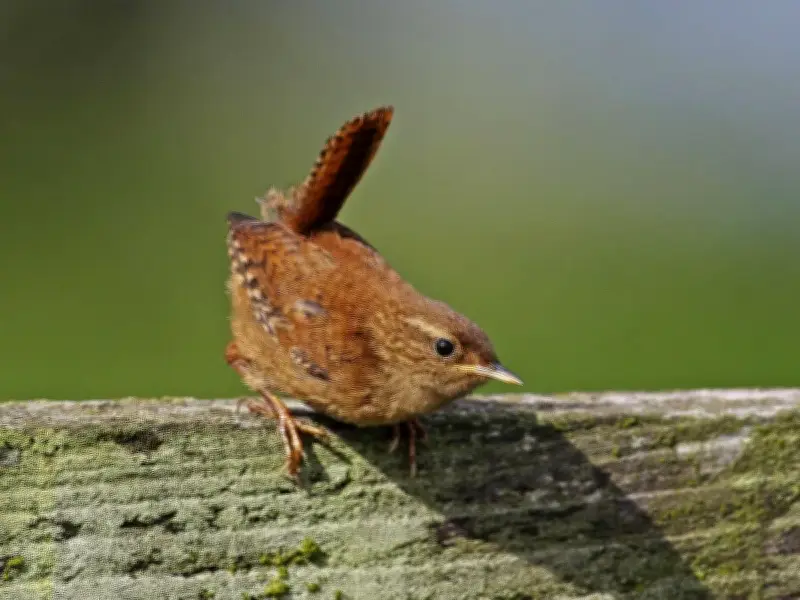
Wrens are among the UK's most common garden birds, yet their shy nature means they are often heard before they are seen. To attract them this autumn, the secret is not feeders but creating the right habitat, according to Sean McNemmy, wildlife expert at Ark Wildlife.
Habitat matters more than feeders
Unlike many garden birds, wrens show little interest in seed feeders, peanuts, or fat balls. These small birds are insectivores, depending almost entirely on insects, small bugs, and spiders for food. To draw them in, McNemmy recommends focusing on cover.
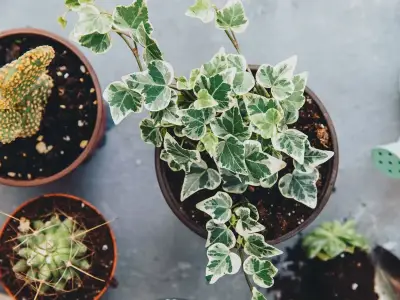
"To attract wrens, think cover first. Dense shrubs, hedging and especially evergreen plants give them somewhere safe to hide, roost and nest. The more sheltered your garden feels, the more likely they are to stay," he said.
Natural food sources and feeding tips
Cultivating a variety of foliage and flowering plants also helps, as these attract insects that form the wren's staple diet. "Areas of low growth, leaf litter or even a quiet corner near a compost heap can quickly become feeding grounds," the wildlife expert added.
For a chance to see wrens out in the open, McNemmy suggests offering mealworms. "Live is best, but even dried mealworms can provide a useful boost and may tempt them into view, if only for a moment."
Water and nest boxes
Fresh water is essential, particularly during warmer months. A shallow, sheltered water source gives wrens a safe place to drink and bathe. Wrens will also use nest boxes, especially if positioned low and well hidden within dense foliage, ideally two to four metres off the ground.