SprucePets has identified 12 dog breeds that are not recommended for homes with young children, noting that some are too large to be around small kids safely, while others may nip at tiny fingers. The list excludes pit bulls but includes several popular breeds.
According to the experts, this is not a blanket ban on these breeds, but prospective owners are advised to research the breed thoroughly and teach children how to be calm and gentle around dogs.
Small dogs with big attitudes
The Chihuahua is often wrongly assumed to be an ideal family pet due to its small size, but these dogs rely on their bark and bite to defend themselves and value their personal space. Young children often struggle to read the social cues these dogs give off, and Chihuahuas can become aggressive.
The Pekingese is another small breed that compensates for its size by appearing intimidating when under stress. They have notoriously short fuses and may snap if young children prod, poke or tug at their tails. They can also be fiercely possessive of their primary carers and dislike sharing attention.
Shih Tzus are known for getting under their owners' feet and can present a genuine trip hazard, though older Shih Tzus can make suitable family pets once they have matured and settled down.
Medium breeds that need space
Weimaraners have incredibly high energy levels and were originally bred to hunt big game. While this doesn't mean they will constantly hunt for prey, it does suggest they can play rough, which can be tricky with young children. They need plenty of exercise and can be hard to control for busy parents.
Australian Shepherds have an instinct to round up children and have been known to nip at kids' heels to keep them in line. Their exceptional intelligence ironically makes them more challenging to train, and they require considerable amounts of exercise and attention.
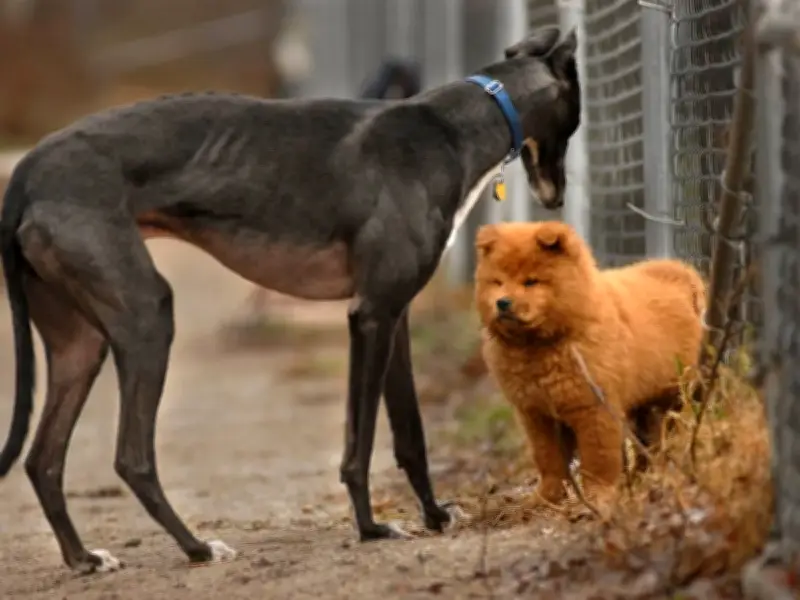
Greyhounds, despite being the world's fastest dogs, are happiest sprawled on the sofa in peace and quiet. Lively youngsters charging around can cause them significant stress and anxiety, and their powerful prey drive as an ancient hunting breed is far from ideal around small children.
Large breeds with strong instincts
Akitas were bred for generations as guard dogs, and this ingrained instinct can be difficult to overcome. If young children regularly bring friends home, Akitas could view unfamiliar visitors as a potential threat and trigger their protective instincts.
Siberian Huskies are known for their boisterous, rough-and-tumble approach to play and are extraordinarily powerful, meaning they could easily injure a child accidentally during playtime. They are also fiercely independent and headstrong, making training a challenge.
Alaskan Malamutes are similar to huskies but considerably larger, sharing many of the same traits. They are highly energetic, love rough play, and can become unruly without sufficient exercise. They are not well-suited to walking on a lead and tend to pull and jump.
Bullmastiffs are gentle, sweet-natured and friendly, but they have no concept of their own size and can easily knock toddlers off their feet unintentionally. It is advisable to wait until children are older and steadier on their feet before welcoming one of these gentle giants.
Chow Chows, despite their teddy bear appearance, are far less cuddly than they look. Originally bred as guard dogs, they can be triggered by the squealing of young children and require extensive training and socialisation, making them a demanding pet for hectic households.
Rottweilers are renowned as guard dogs and are constantly on high alert for potential threats. When children are running around, shrieking or playing boisterously nearby, these dogs may struggle to distinguish between genuine danger and harmless fun.