
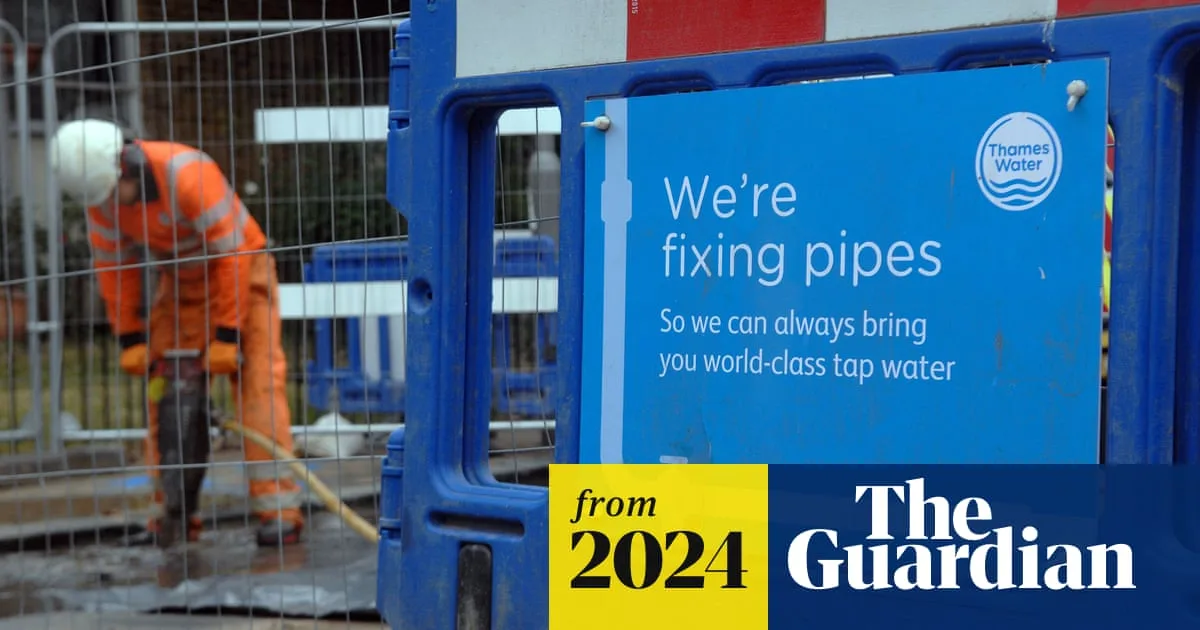
A new commission established by the Department for Environment, Food and Rural Affairs (Defra) is considering banning water companies in England from making a profit, as part of a sweeping reform of the sector. The move comes amid public fury over firms prioritising profits over environmental responsibilities.
One option under review is forcing the sale of water companies to not-for-profit entities, which would operate privately but reinvest any surplus into the business or customer services. This model, widely used in Europe, is exemplified by Welsh Water, which has reduced its debt-to-equity ratio from 93% to 58% since being acquired by not-for-profit Glas Cymru in 2001.
Environment Secretary Steve Reed stated: “Our waterways are polluted and our water system urgently needs fixing. That is why today we have launched a water commission to attract the investment we need to clean up our waterways and rebuild our broken water infrastructure.” The commission will also examine reforming regulators, including the potential abolition of Ofwat, as water firms have requested bill increases of up to 84% over five years.
Public anger has intensified over large executive payouts and shareholder dividends, while sewage spills into rivers and water shortages have worsened. Since privatisation in 1989, English and Welsh water companies have paid £78bn in dividends and accumulated £60bn in debt.
Environmental groups have urged the commission not to sacrifice environmental protection for economic growth. James Wallace, CEO of River Action, said: “We must not see the environment sacrificed on the altar of economic growth. The water commission must stop vampiric business interests... and deliver a fully funded national action plan to end pollution for profit.”
The commission, chaired by former Bank of England deputy governor Jon Cunliffe, will include experts from various sectors but no water company representatives. Reed ruled out nationalisation, citing prohibitive costs, but said all other options are open to ensure investment in infrastructure and an end to sewage spills.




