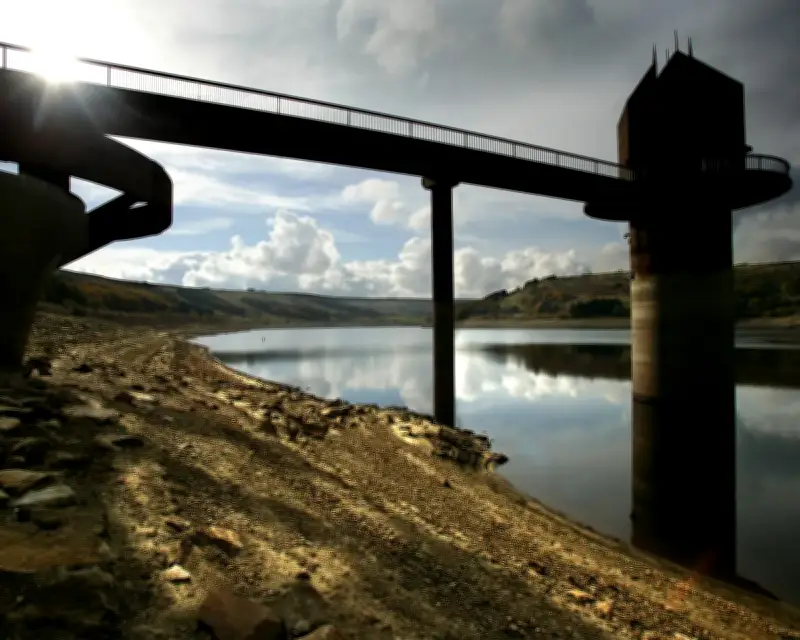
Britain needs new reservoirs to secure its water supplies for the future, and the state — not private companies — should build them, according to a new report.
Why the state should lead reservoir construction
The report argues that the scale and long-term nature of reservoir projects make them unsuitable for private investment, which tends to prioritise short-term returns. Instead, public ownership would ensure that water security is treated as a national priority rather than a commercial opportunity.
It points to the success of past state-led infrastructure projects and notes that the UK has not built a major new reservoir in decades, leaving the country vulnerable to drought and population growth.

Challenges with the current approach
Private water companies have faced criticism for leaking pipes and failing to invest sufficiently in new supply infrastructure. The report suggests that relying on them to deliver reservoirs would be slow and expensive, with costs ultimately passed on to consumers.
It also warns that the regulatory framework currently incentivises short-term fixes rather than long-term investment, which is exactly what reservoirs require.
What the report recommends
The report calls for the government to take direct responsibility for planning, funding, and building new reservoirs, potentially through a dedicated public body. It argues that this would allow for more efficient delivery and better alignment with environmental and regional needs.
It also suggests that public ownership would make it easier to balance water supply with environmental protection, ensuring that new infrastructure is designed sustainably and with local communities in mind.
Ultimately, the report concludes that without urgent state intervention, the UK risks facing severe water shortages in the coming decades.