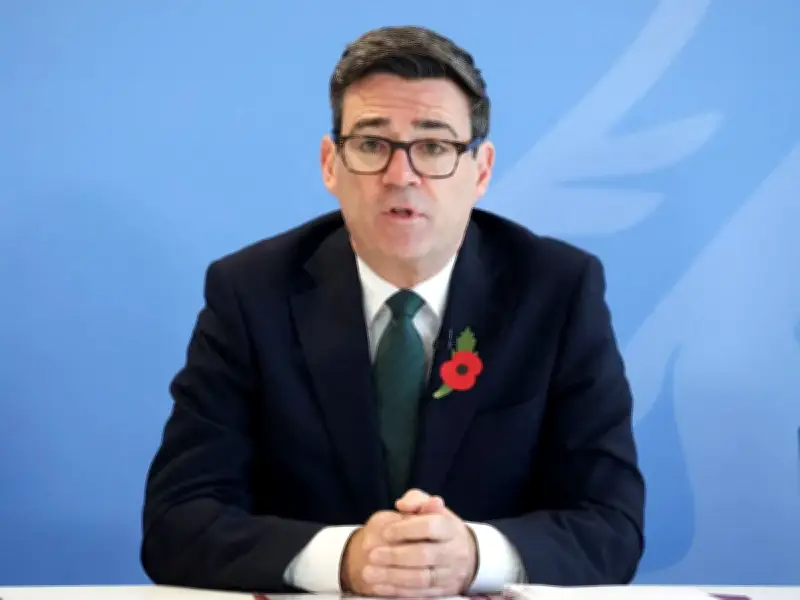
The Government has announced that eight regional councils will give local communities more control over how water is managed in their areas. Andy Burnham said the plans would give local people “a real say” over what they needed from their water company, from cleaning up polluted rivers to protecting homes from flooding or building new reservoirs.
Moving Power Closer to Communities
The new councils aim to change the current system, where decisions about water are taken nationally, despite communities facing varying challenges in different regions – from pollution in Cumbria’s Lake Windermere harming tourism to drought in Cambridge stalling growth, officials said.
The bodies, which will bring together 10 to 15 people from across the region including mayors or local authority leaders, customers, farmers and developers, will cover regions based on river basins and water supplies. It is expected they will agree regional priorities on flooding, drought, water quality and supply, reflecting the views of billpayers.
Feeding into Investment Plans
These will feed into the next round of water industry planning and the 10-year flood investment programme – giving local people a say over billions of pounds of investment, the Environment Department (Defra) said. The plans are the latest step by the Government to tackle issues in the water sector, amid widespread anger over the polluted state of England’s rivers, lakes and coasts, rising bills, bonuses and shareholder payouts for privatised water companies.
It comes after the sector’s environmental performance fell to a record low in a report by regulators, with eight of the nine water companies in England either rated as “poor” or “requiring improvement” in 2025 and only Severn Trent receiving the highest rating.
Mr Burnham said: “I know how desperate people are for change when it comes to water. I share their frustration at seeing sewage and pollution blight our rivers, lakes, and seas, while decisions about their local areas are taken miles away. That’s not right. So for the first time, local people will have a real say over what they need from their water company, whether that is cleaning up polluted rivers, building new reservoirs or protecting homes from floods. That is what moving power closer to communities looks like, making sure local voices are heard and local priorities come first.”
Reactions from Leaders and Campaigners
Environment Secretary and Wallasey MP Dame Angela Eagle said the water industry had failed to work for people and places it was meant to serve “for decades”. She said: “I am determined to put the public at the heart of decision-making – shaping what their bills will be spent on – so they can see real differences happening in their communities.”
Environmental campaign group River Action’s chief executive James Wallace said giving communities greater say over their water was welcome, but local leaders and regional planners must have “real democratic powers” over how water is managed. He warned: “Nothing fundamental will change while water companies are controlled by extractive investors who profit from pollution. The Government must use its existing powers to put failing water companies like Thames Water into special administration and establish new public-interest ownership structures with democratic local decision-making built in.” He said communities deserved more than a voice, “they deserve meaningful power and urgent results”.
Tracy Brabin, Labour mayor of West Yorkshire, said privatisation of water had been a “disaster” for the region, with bills set to rise by more than 40% after years of underinvestment in infrastructure to “line the pockets of wealthy shareholders and executives”. She said: “I’ve long called for directly-elected mayors to be able to hold water companies to account, influence their operations, and direct the money raised from fines to support those communities hit hardest by illegal sewage dumping. Through this new regional water council, we will do everything we can to ensure that Yorkshire Water finally puts people above profit and helps us build a greener, more affordable region with cleaner rivers and lower bills.”