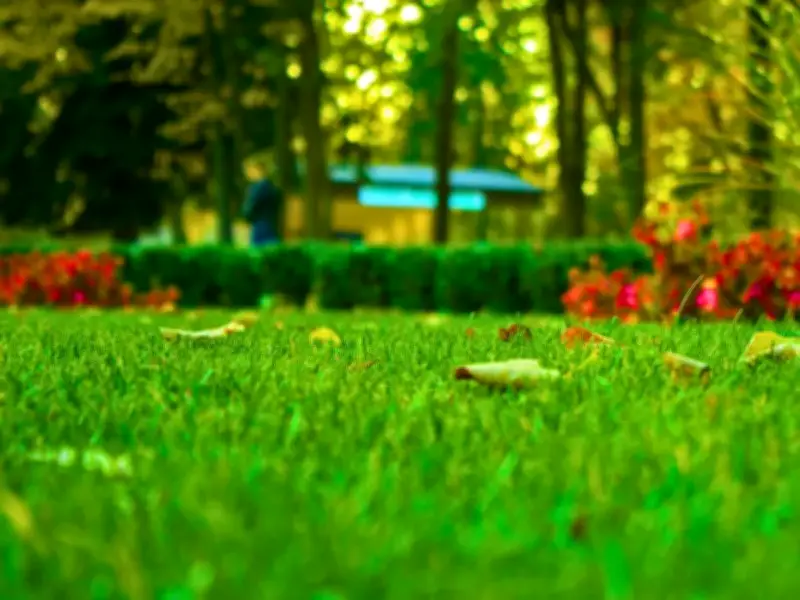
Fallen leaves left to accumulate on lawns in October can smother the grass, block vital sunlight and lead to patchy, weakened growth by spring, according to Jade Ivory from lawn care company Green Thumb. The simple fix is to rake or mow the lawn at least once a week to keep the grass healthy through the colder months.
Lawns often look worse for wear at this time of year, still recovering from summer heat, drought and heavy foot traffic. Autumn is typically when grass begins to thicken again, aided by rainfall and mild temperatures, and October is the ideal time to help it recover — provided fallen leaves are cleared away.
Why leaves damage lawns
Ivory warned that leaves left to build up can cause considerable damage. She said: "Leaves left to accumulate on your lawn can smother the grass beneath, depriving it of vital sunlight and oxygen. This can lead to a weakened, patchy lawn come spring."
Sunlight is crucial for lawns all year, but in autumn it is especially important for grass to absorb as much light as possible to build energy reserves before winter. Sugars produced through photosynthesis strengthen roots, helping them store energy and absorb nutrients to survive the cold.
Risk of moss and bare patches
If a lawn is smothered in leaves, the grass weakens, roots shrivel and large sections can die off, leaving bare patches in spring. Moss also thrives in wet weather, and if grass is too feeble to resist it, spores can leave the lawn waterlogged and prone to disease and pests.
A scattering of leaves is not a problem, but a thick, sodden layer can seriously damage the grass, with effects possibly visible the following year.
Best way to clear leaves
The solution is straightforward: rake up leaves or mow the lawn at least once a week to prevent them becoming an issue. Raking clears leaves entirely, while mowing shreds them into tiny fragments that break down quickly, also protecting the grass.
After heavy rainfall, leaves are most likely to mat together and starve the lawn of light and air, so extra attention is needed. Fallen leaves can also be added to a compost heap, where they break down into leaf mould — a nutritious mulch that can nourish plants in spring.