
The winter solstice in 2026 falls on Monday, December 21, marking the shortest day of the year in the Northern Hemisphere. In the UK, the solstice will occur at 8.50pm, and the day will have just 7 hours 49 minutes and 42 seconds of daylight in London.
How Long Is the Shortest Day?
The Royal Museums Greenwich (RMG) explains: "The shortest day lasts 7 hours 49 minutes and 42 seconds in London. This means that the length of the day during the winter solstice is 8 hours, 49 minutes shorter than the summer solstice."
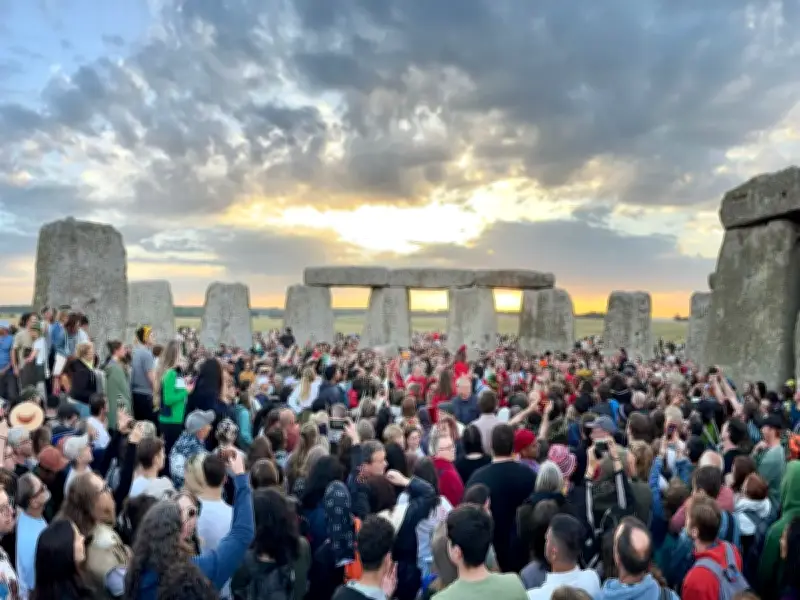
Many cultures around the world mark the solstice with holidays and festivals, and Stonehenge is a popular gathering place for the occasion.
Do Days Get Longer After the Solstice?
After December 21, daylight slowly increases and nights get shorter. At the spring and autumn equinoxes, day and night are about equal at around 12 hours each. Daylight then continues to rise until it reaches its peak at the summer solstice.
From December 22, the UK will start to gain a small amount of daylight each day. Early on, it's barely noticeable, but by late January, the change becomes much clearer, bringing noticeably lighter mornings and evenings.
Why Is It the Shortest Day?
The Sun's position in the sky changes during the year. In summer, it rises higher and stays above the horizon longer. In winter, it stays lower and is up for a shorter time. RMG explain: "This variation happens because the Earth orbits at an angle: it is tilted 23.4 degrees on its axis."
During summer in the northern hemisphere, the North Pole is tilted towards the Sun, and therefore this part of the Earth receives more direct sunlight and longer daylight hours. During winter in the northern hemisphere, the North Pole is tilted away from the Sun, resulting in fewer daylight hours.
Does the Solstice Mark the Start of Winter?
RMG says that this depends on what you're referring to. If you mean 'astronomical winter', then yes, the solstice is the first day of winter. However, if you are referring to 'meteorological winter', then the first day of winter is December 1.
Meteorologists divide the year into four seasons, each lasting three months. Even though it may not feel like winter straight away, the coldest daytime temperatures often come weeks after the shortest day has passed.




