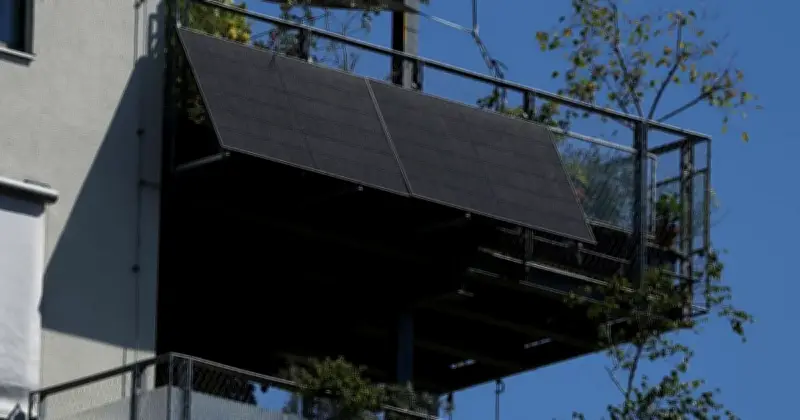
Plug-in solar panels are now on sale in the UK, giving households a cheaper and simpler alternative to rooftop installations. The kits are designed for balconies, gardens and other outdoor spaces, and plug directly into a household socket. Major retailers including B&Q, Currys, Amazon and Lidl say they will stock them.
How much do they cost and what can you save?
Prices are expected to be between £350 and £400, depending on the kit and retailer. The Government estimates annual savings of up to £110, meaning the investment could take around four years to break even. After that, the electricity generated is effectively free.
Carl Hogg, managing director at renewable energy company Good Energy, said: “Plug-in solar is an exciting development because it lowers the barrier to entry and makes it easier for more households to start generating their own electricity. Particularly renters or those living in flats.”

How do plug-in panels compare to rooftop solar?
With output capped at 800 watts, plug-in systems are much smaller than conventional rooftop installations. Alvaro Iturmendi, solar expert at comparison site Uswitch, said: “Plug-in panels won't replace a full rooftop system if you want to maximise savings, but they're a genuine first step for the millions of households who've been locked out of solar altogether.”
Traditional rooftop solar is much more powerful, and you can get paid for any surplus energy your panels send back to the grid. The installation cost is much higher at around £9,000 for a full set, with one in three households put off by the cost, although there are cheaper, smaller options.
What are the limitations and rules?
Plug-in solar can only generate electricity when the sun is up. Current rules don't allow you to store the electricity in a battery or get paid for unused power. So if you're out at work all day, you could miss much of the benefit, although pensioners who spend more time at home might be tempted.
Karen Barker, policy manager at Citizens Advice, said you can only have one plug-in panel per household, but they don't need to be professionally installed. “Your actual savings will depend on how you position your panel, any shading that might block the sun, and if you have the flexibility to use appliances during the day.”
Renters and leaseholders may need permission from their landlord or freeholder, while some homes may face planning restrictions. Citizens Advice warns buyers to check that their kit is compliant and never plug it into an extension lead. You'll also need to register the kit with your electricity network company.
Another advantage of a plug-in solar panel is that you can take it with you if you move home – simply unplug and pack. Based on real customer quotes, Uswitch said homeowners installing solar had seen average savings of £964 a year, with quoted upfront costs paid back within nine to 10 years.