
Every year, approximately 55 million litres of paint go to waste in the UK, but one organisation is working to change that. Community RePaint, a nationwide paint reuse network, collects leftover paint from drop-off points and redistributes it to individuals and community groups. Founded in 1992 as a research project in Leeds called the Waste Wagon, it was set up in response to local authority concerns about the high cost of paint disposal and household hazardous waste.
David Squire, Community RePaint's community network coordinator, explains that researchers initially went door-to-door and found that, on average, 17 tins of paint were sitting unused in each home. The pilot project launched a year later, and three decades on, the network employs 100 people across the UK. Growth has been gradual, but Squire notes that businesses are now starting to reuse paint in the community, and the organisation is bringing recycling centres on board as key collection points.
One challenge is that many local councils do not accept liquid paint for recycling, considering it hazardous. Community RePaint aims to change this, arguing that accepting paint saves council money as reuse is far cheaper than disposal. For the past decade, the network has sold its own brand, ReColour, made from 97% recycled paint. It is currently the cheapest paint available in the UK while maintaining quality comparable to major brands.
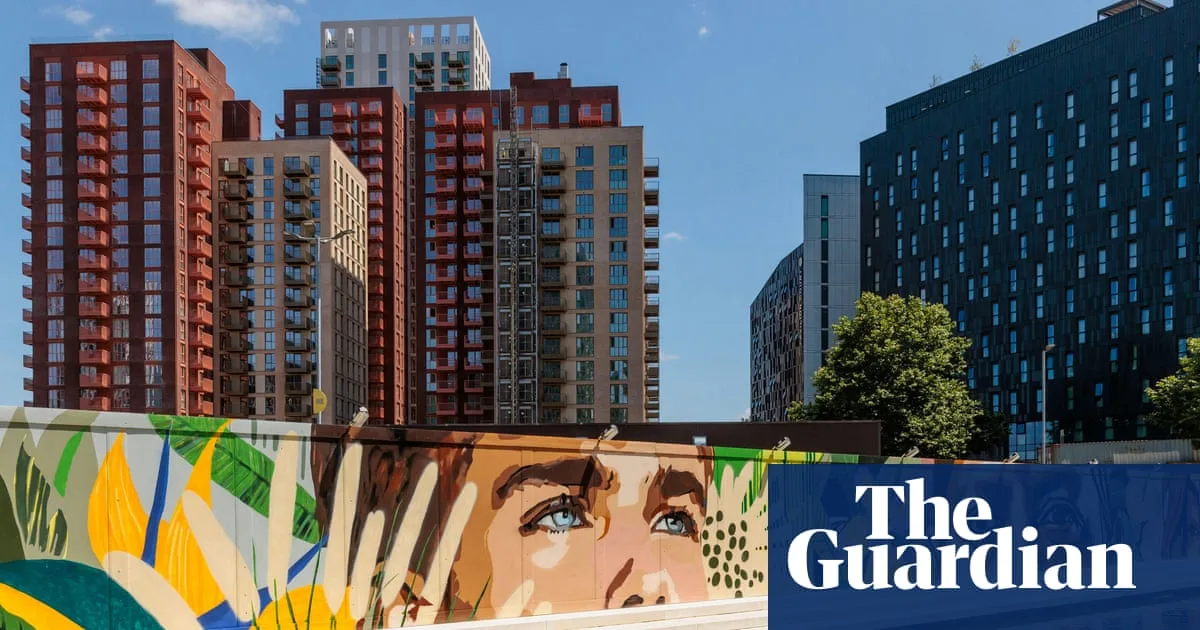
ReColour is sold particularly to schools, gardeners, and community-led projects. The network recently supported a pollinator pathway project in Bristol and a recycling project in east London. It has also been involved in distinctive street art, working with artist AlecLDN (Alec Saunders) to create the UK's longest eco-mural using preloved paint. Saunders covered the Dugdale art centre in Enfield and a 77-metre mural in Union Park, Wembley, celebrating local diversity. He noted that the reused paint was of high quality, often requiring only one coat compared to multiple layers with fresh paint.
Despite sponsorship from Dulux, Squire admits it is financially challenging to make the network fully UK-wide. He believes the idea should be catching on, comparing it to secondhand clothing platforms like Depop and Vinted. Reuse and recycling are slowly becoming mainstream, but progress is slow. Squire emphasises the need to rethink waste as a resource rather than a nuisance, advocating for a circular economy that could transform society as a whole.




