
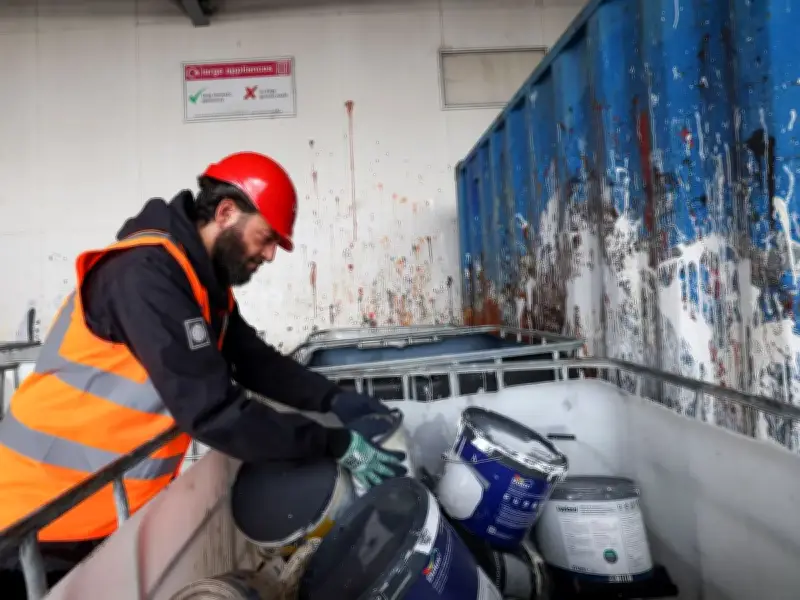
Liverpool City Council had one of the highest household recycling contamination rates in the country, with almost a third of all kerbside recycling collected from households being rejected in the 2024/2025 reporting year. According to Freedom of Information (FOI) research conducted by recycling non-profit Every Can Counts, 30.35% of Liverpool's household recycling was turned away in 2024/25 due to contamination.
Findings place Liverpool fourth worst in UK
The findings placed Liverpool fourth worst in the UK for household recycling contamination among councils providing usable data - although Liverpool City Council points out the date is from a previous financial year and they have made significant improvements in the last 12 months. Across the country, contamination rates varied dramatically - from less than 4% in East Lothian to 35% in Bradford. Within the North West region, Liverpool's rejection rate of 30.35% compared unfavourably with neighbouring Knowsley (25.53%) and Preston (26.59%).
A Liverpool City Council spokesperson said: "The figures referenced relate to a previous reporting period and do not reflect the significant work that has taken place since then to improve recycling quality across the city.
"We have significantly increased our efforts to tackle contamination and improve recycling rates, including through our Talking Bins campaign, which helps residents better understand what can and cannot be recycled.
"We are already seeing positive results, which reflect the impact of our wider communications, engagement and education programme. Our latest data, covering the period up to April this year, shows contamination rates have fallen to 26.49%, demonstrating that residents are responding positively to the information and support being provided.
"Comparing our latest performance data year-on-year, we have had almost 7,000 requests for free additional blue recycling bins, an increase of 110%. We have also brought in four new Waste Engagement Officers, who work directly with residents to provide advice and support on waste disposal and recycling.
"We will continue working with communities across Liverpool to improve recycling quality, reduce waste and ensure more materials can be successfully recycled rather than rejected."
Food waste and nappies among top contaminants
The research highlighted food waste and food-contaminated packaging as the single most common contaminant found in recycling bins, followed closely by disposable nappies, textiles, black bin bags, and plastic film.
In addition, batteries, vapes, and small electrical items were frequently identified as serious hazards, carrying a direct risk of catching fire inside collection vehicles and automated sorting machinery.
Nationally, contamination is costing taxpayers millions, with 29 disclosing councils reporting a combined bill of at least £10m in direct disposal costs. Almost all rejected recycling in the study was sent for incineration or landfill.
Council guidelines for each bin
To help people tackle this problem and ensure household waste is processed correctly, Liverpool City Council has detailed comprehensive guidelines on what items belong in each household bin.
Residents are urged to place all recycling items loose inside their blue bin or recycling bag, and never package them inside plastic bags.
Blue bin or recycling bag guidelines
Items to include:
- Plastic packaging: Yoghurt pots, plastic tubs, food trays, and plastic bottles (drinks, shampoo, and cleaning bottles with lids left on; do not flatten).
- Metals & Foil: Empty aerosols, sweet tins, clean foil, foil containers, and drink or food cans (do not crush).
- Cartons & Containers: Tetra Pak cartons (juice, milk, soup) and plant pots (all colours except black).
- Glass: Glass bottles and jars (leave lids on).
- Paper & Cardboard: Newspapers, magazines, paper, junk mail, catalogues, phone directories, envelopes (including those with plastic windows), wrapping paper (non-plastic and non-metallic), cardboard food boxes, inner toilet or kitchen rolls, flattened egg cartons, cereal boxes, and cardboard packaging with plastic padding removed.
Items to leave out:
- Black bin bag waste, plastic bags, cling film, or plastic padding.
- Shredded paper, polystyrene, or general metal objects.
- Food waste or liquids.
- Textiles, clothes, and shoes (residents should take these to local charity shops or clothing recycling banks).
- Paint tins, syringes, wood, and electrical items (take electricals to a local recycling centre or arrange a bulky item collection).
Grey bin - food waste guidelines
Items to include:
- All uneaten food and plate scrapings
- Raw and cooked meat, including bones
- Raw and cooked fish, including bones
- Dairy products, including cheese, eggs, and eggshells
- Tea bags and coffee grounds
- Rice, pasta, and beans
- Bread, cakes, and pastries
- Vegetables and fruit, including peelings
Items to leave out:
- Packaging of any kind
- Liquids such as milk, oil, or melted fat
- Non-food household waste
Green bin - garden waste guidelines
Items to include:
- Grass cuttings and hedge clippings.
- Dead plants, weeds, bark, leaves, and small twigs.
- Tree branches (up to 7.5cm or 3 inches in diameter).
Items to leave out:
- Soil, turf, stone, concrete, timber, or builder's waste.
- Plant pots, glass, plastic, metal, paper, or cardboard.
- General household rubbish and food waste.
Purple bin - general household waste
Items to include:
- Non-recyclable general household waste and items that cannot be recycled elsewhere.
- Food waste, including pet food.
Items to leave out:
- Garden waste.
- Electrical items (these must be taken to a Household Waste Recycling Centre or disposed of via a bulky item collection).
Chris Latham-Warde, programme manager for Every Can Counts, emphasized that simple changes in household habits can make a huge difference: "Contamination is a real problem, but it is one we can do something about. Clear and easy-to-understand guidance from local authorities can help residents know exactly what belongs in their recycling and how items should be prepared, so they can use their local recycling system correctly."
By rinsing containers, keeping food out of the blue bin, and avoiding black bags, Liverpool residents can significantly lower the city's 30% rejection rate and ensure recyclable materials are effectively repurposed.




