Decluttering, death cleaning, or a clear out—many Australians face the task of paring back possessions, whether due to children, downsizing, moving, or a deceased estate. About one in three Australians can't stand the amount of stuff in their home, according to a survey commissioned by insurance company Choosi.
Julie Whiting, founder of The Decluttering Co, says in consumer society it's easy to acquire but hard to get rid of things. Clutter—stashed in cupboards, drawers, spare rooms, and storage—usually involves items people have been avoiding. Decluttering is hard because it requires multiple decisions at once, plus logistics and emotions of letting go.
Keep, donate, recycle, discard
Jennifer Macklin, who researches waste systems and behaviour change at Monash University's BehaviourWorks, says the aim is to rehome what you can, then recycle and dispose of the rest. People hold on to things because they value them, so giving away or selling can be emotionally fraught.

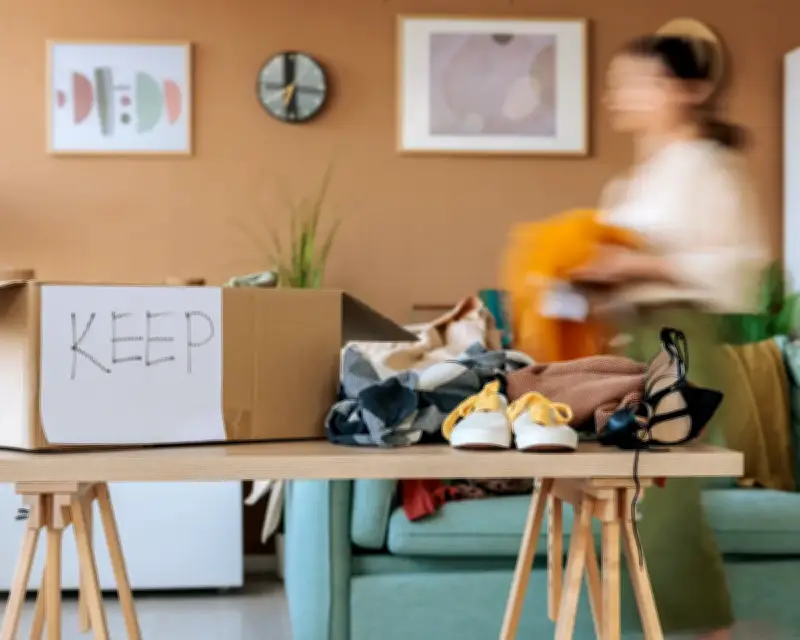
Whiting recommends tackling the most annoying area first, then sorting into piles: keep, donate, recycle, discard. Donating to charity stores isn't always best; re-sale platforms and buy-nothing groups can ensure items go to someone who wants them. She advises getting familiar with council recycling options, often free.
Tackling your wardrobe
Professional organiser Susanne Thiebe at Less Mess says decluttering alone is tough, and people shouldn't feel ashamed to ask for help. She coaches people through decisions, often starting with clothing because a messy wardrobe impacts daily life. Clothing and footwear are common frustrations; one study found about 84% of Australians owned garments they haven't worn in the past year.
Clothing must be quality and in good condition to be donated or sold. Textiles can be challenging to recycle or compost, and some may end up in landfill. Once sorted, organise what's kept with a system that works—like a teenage wardrobe with shelves for categories. Thiebe says, "Tidy is for other people, organising is for us."
Fix your furniture
Furniture is especially challenging, says Ashley Eriksmoen, a designer and woodworker in Canberra. People have a moral hesitation about throwing out furniture, unlike Tupperware. There's huge amounts of unwanted furniture in Australia, more than charity stores or reuse hubs can accept, driven by cheap furniture and limited repair channels.
"The most sustainable choice is the piece of furniture that already exists," she says. Modifying furniture—like cutting a dining table into tea tables—is preferable. Simple repairs or paint jobs can help, with local repair cafes or tool libraries offering support.
Recycle or toss
Books are hard to donate, as many charity stores don't accept them, but they can be recycled if covers are removed. Council depots accept paints, chemicals, batteries, light globes, cables, e-waste, and more. Some retailers offer take-back schemes for furniture, office supplies, sports gear, toys, clothing, and medicines.
Thiebe advises, "If in doubt, put it in the red bin," to avoid contaminating recycling. Dr Melissa Norberg from Macquarie University researches consuming less; acquiring things feels good but doesn't last, so we buy more. She suggests using decluttering as a learning lesson to prevent bringing similar items home again.
A German study says decluttering can help people reflect on possessions and desires, shifting consumption practices. Whiting notes the process makes people think twice about buying. Thiebe concludes, "You create the landfill when you shop it, not when you let go of it. Don't buy so much stuff in the first place."