
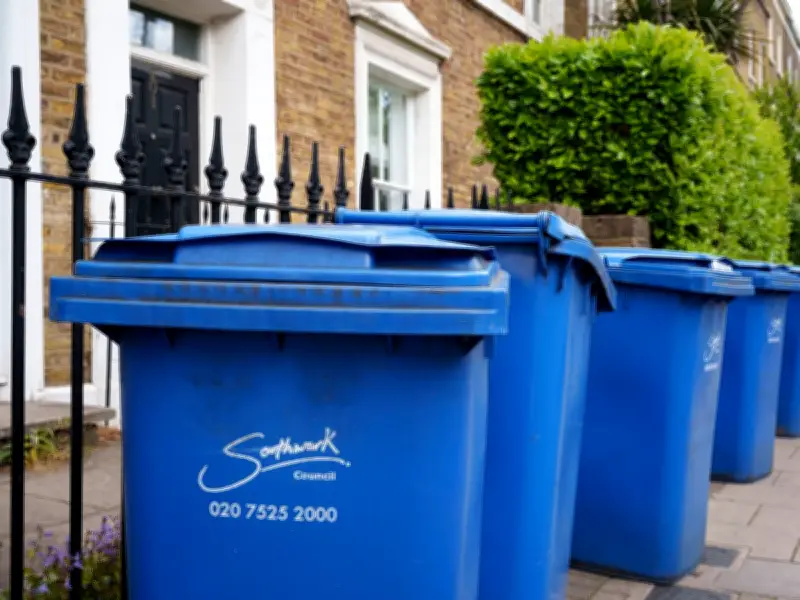
Recycling experts have issued a warning over crisp packets, as a common mistake could result in bins being left uncollected. Despite the expansion of the UK's recycling system this year under the Simpler Recycling scheme, many households are incorrectly placing crisp packets in their recycling bins.
Simpler Recycling Scheme Introduced in 2026
Earlier in 2026, the Simpler Recycling scheme came into force, requiring every council in England to provide the same waste collection services. Waste collectors must now separately collect four types of waste from households: food and garden waste, paper and card, all other dry recyclable materials (including glass, metal, plastic, and cartons), and residual waste (non-recyclable waste sent for energy recovery or landfill).
The introduction has not been without problems. Many councils have failed to sort out weekly food waste collections, and the Department for Environment, Food & Rural Affairs has allowed them until the end of the year to comply. Circular Economy Minister Mary Creagh said at the launch: “We are ending the bin collections postcode lottery and making it easier for people to recycle wherever they live. Simplifying these rules will cut out carbon, clean up our streets, and help bring pride back into our communities. We will continue to work hand-in-hand with local areas to deliver these changes and ensure there’s more recycled content in the products we buy.”
The Crisp Packet Conundrum
However, the scheme has left a big question for some residents: what to do with crisp packets. Many people believe they should go in with the main plastic recycling on the ‘dry recyclable materials’ section, but they are wrong because crisp packets are usually not made from plastic alone. The inside of the packet is shiny and looks like foil, but it is actually metallised plastic film, which cannot be recycled from home yet.
Because of this, people are being warned not to put crisp packets in home recycling. Most councils have notices on their websites telling people what they should do. In the UK, households will not typically be fined for accidentally putting crisp packets in their home recycling bin. While doing so is considered contamination, councils generally start with educational warnings or refuse to collect the bin before issuing any formal penalties.
How to Identify Metallised Plastic Film
London Recycles says: “Crisp packets need to go into your rubbish bin as they can’t be recycled. Although the inside of the packet is shiny and looks like foil, it’s actually metallised plastic film, which can’t be recycled from home yet.” People can tell if the item is metallised plastic film by doing a simple test. London Recycles explains: “An easy way to find out if something is foil or metallised plastic film is to do the scrunch test. Scrunch the item – if it stays ‘scrunched’ it’s foil and can be recycled. If it springs back it’s probably metallised plastic film and can’t be recycled.”
Alternative Recycling Options
Zero Waste Scotland said there is another option: “Crisp packets can be recycled alongside plastic bags and film at most larger supermarkets. Look for the recycling points marked ‘soft plastics’ often located after the tills or near the front door.”
Items That Still Do Not Go in Home Recycling
Drinking glasses, vases, Pyrex or oven dishes, mirrors or window glass, ceramics or crockery, pots, pans and cutlery, electrical items or batteries (these can be recycled at many large stores), laminated foil pouches (like pet food or coffee), “compostable” or “biodegradable” plastics (including pods), polystyrene packaging, tissues, wet wipes or toilet paper, cotton wool or makeup pads, nappies or period products.
Big Change Coming in 2027
There is a big change which will make a difference for crisp fans. From 31 March 2027, councils will also collect plastic bags and plastic film – for example bread bags, crisp packets and cling film. These items will all be joining kerbside plastic recycling. These clearer rules should mean less contamination, more materials turned into new things, and less recycling ending up in the bin.




