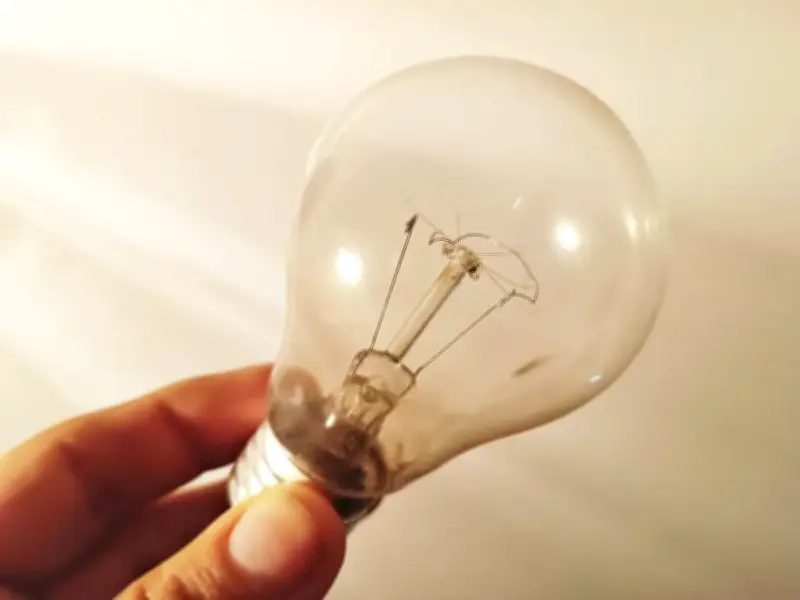
As evenings grow darker, households rely more on artificial lighting, which can shorten bulb lifespan. Knowing how to dispose of old bulbs properly is essential, as incorrect disposal can harm both the environment and your home. Some bulbs contain electronic and chemical elements requiring specialist treatment.
UK "binfluencer" Ashley, who shares recycling guidance from 13 years of waste management experience on TikTok as @theno1.binman, has explained the correct disposal methods for different bulb types.
Which bulbs can go in general waste?
Ashley said old-style incandescent bulbs can be "put them in the general waste bin" because they contain no toxic materials. For safety, storing the bulb in its original packaging before disposal can prevent damage if it shatters, though Ashley noted this is not essential.
Newer LED bulbs, however, "you can't put them in your normal waste", he warned.
LED bulbs must be recycled separately
LED bulbs are now common in British homes but can no longer be discarded with regular household waste. They are classified as WEEE (Waste Electrical and Electronic Equipment) and must be recycled separately to preserve valuable metals and glass.
Ashley instructed: "You have to take them to a hardware store like B&Q or to the recycling centre." Retailers such as B&Q, Currys, and Tesco are legally obliged to provide recycling points under WEEE regulations. Some councils offer kerbside collections for bulbs in a separate clear bag, so checking with your local authority is recommended.
Other bulb types and their disposal
Fluorescent tubes contain mercury and should be taken to a recycling centre to avoid contaminating the environment and water supplies. Halogen bulbs cannot be recycled and, like incandescent bulbs, contain no hazardous materials, so they can go in the household waste bin. Energy-saving compact fluorescent bulbs are recyclable but contain trace amounts of mercury, so they must also be taken to a recycling centre rather than thrown away with everyday waste.