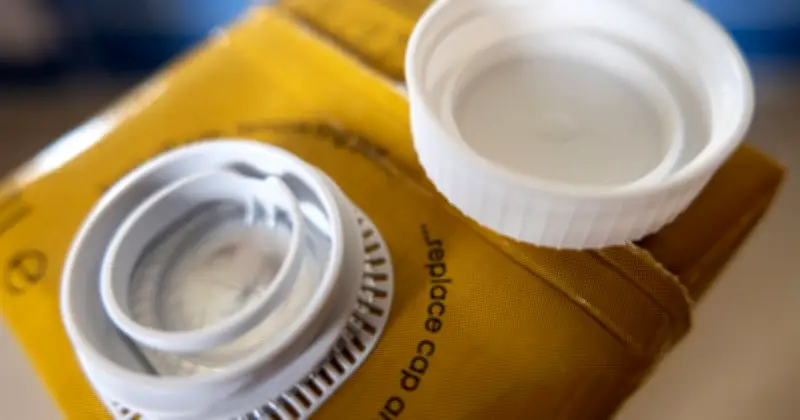
A refuse collector known as the No1 Binman on TikTok has clarified where lined food cartons should be placed, saying they belong in plastic recycling rather than paper or general waste bins.
In a recent video, he responded to a follower's question about what to do with lined food cartons, such as those used for long-life milk or orange juice. He explained that if a carton is lined with aluminium, visible as the shiny inner layer, it can go in the plastic recycling bin, though he advised checking with local councils as rules may vary.
Why cartons do not belong in paper bins
Many people assume empty food cartons should be placed in the paper or cardboard bin, but this is not correct. According to the binman, if a household has separate plastic and paper bins, the carton should go in the plastic bin. Although the outer material is cardboard, the inner lining is what gets recycled more effectively.
Between 66% and 90% of UK local authorities accept cartons in kerbside collections, supported by national Simpler Recycling rules, but the binman stressed the importance of double-checking local guidance.
How to prepare cartons for recycling
To make recycling easier for collectors and processing machinery, a few quick steps are recommended before placing cartons in the bin. Any leftover liquid should be rinsed out, and the carton should be squashed down as much as possible. Plastic caps should be left on, and any straws should be pushed inside.
Cartons should then be placed in the plastic or mixed recycling bin, or whichever bin the local council specifies. If cartons cannot be recycled at home, most recycling centres offer facilities for doing so.
Other recycling advice from the binman
The binman has also offered guidance on crisp packets, urging people to put them in general waste at home. He noted that while crisp packets can be recycled, they should not go in household recycling bins. Instead, shoppers should look for collection points at participating supermarkets, which may be located near entrances or exits depending on the store.