A scientific review has confirmed that people, livestock and wildlife are being contaminated by toxic metals leaking from historic mines and smelting sites in Wales. Researchers established the issue is having "health consequences" but said more work was needed to quantify the impacts.
Decades of research assessed
In a Department for Environment, Food and Rural Affairs-commissioned study, Nottingham University academics assessed 255 documents published between 1874 to 2025. All examined land that had been contaminated by former metal mines and smelters.
The publication of the Nottingham study coincides with the new Michael Sheen BBC documentary series Buried which looks at how toxic "forever chemicals" were dumped in Welsh quarries.

Gaps in data on abandoned mines
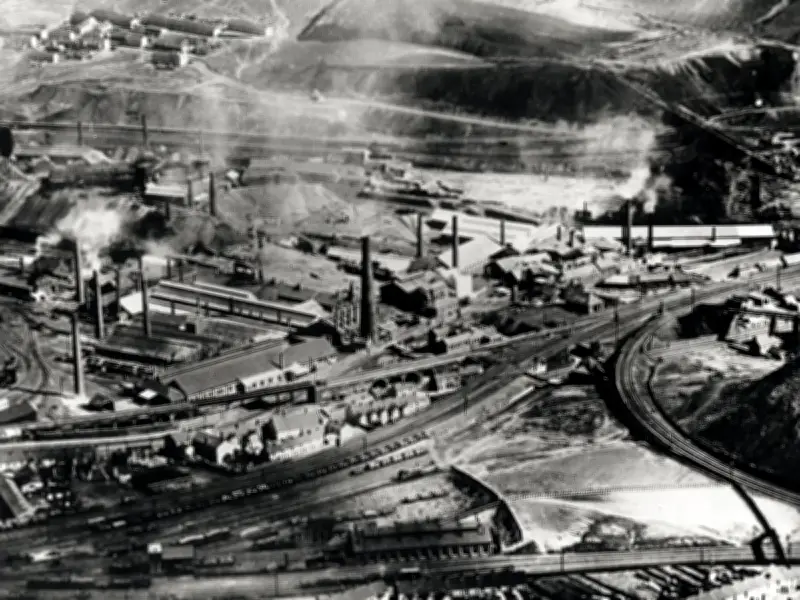
The university research highlights the "long, complex history of metal mining and mine abandonment" in England and Wales which has led to unrecorded and unmapped industrial mine activities, resulting in gaps in data on the locations of, and risks associated with, mine waste and smelters. The study points out that it is unknown how many abandoned metal mines there are spread across the two countries, though it is believed to be in the thousands.
The research focused on nine key metals and metalloids associated with mining - arsenic, cadmium, copper, iron, lead, nickel, silver, tin, and zinc - and notes while significant efforts have been made over the last 50 years to reduce human exposure to these metals, such as removing lead from petrol, environmental exposure through metal mining or smelting sites has not been addressed.
Health impacts detected
The study says: "The consensus from the assessed literature indicates that metal contamination originating from metal mines and smelters is common across former mining regions of the UK, particularly Wales and south-west and north-west England."
"The evidence indicates that metal contamination detected in the environment can be reflected in metal body burdens in local wildlife, livestock, and humans."
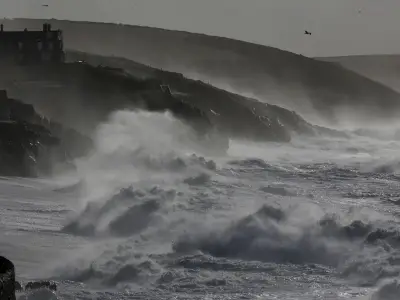
The study highlights that in many cases it has been decades since new research has been conducted, and also that a "key knowledge gap affecting accurate risk assessments in the future" is the need to understand how animals living in mine-affected areas will respond to future climate and land-use changes. It also says climate change is expected to spread metal contamination further through environments by mobilising mine wastes during extreme weather events and distributing them further during flooding.
The report says: "While there are relatively few studies examining health risks or impacts in animals exposed to metal mines or smelters in England and Wales, negative health impacts from chronic metal exposure have been detected and reported in terrestrial and aquatic invertebrates, fish, rodents, livestock, and humans."
"Health effects linked to metal mine or smelter contamination have been reported in mammalian livestock, though no scientific, peer reviewed studies examining impacts or risks linked to health incidents in mammalian livestock in England or Wales have been published in the last 70 years."
"Risk assessments linking environmental metal concentrations at or near English or Welsh metal mines or smelters to potential human health risks have also highlighted a number of metal impacted sites of concern."
The study concludes that "a comprehensive assessment of the health risks and impacts to humans and other animals from metal mines and smelters in England and Wales is not possible with the currently available information" and calls for more research to be done.