
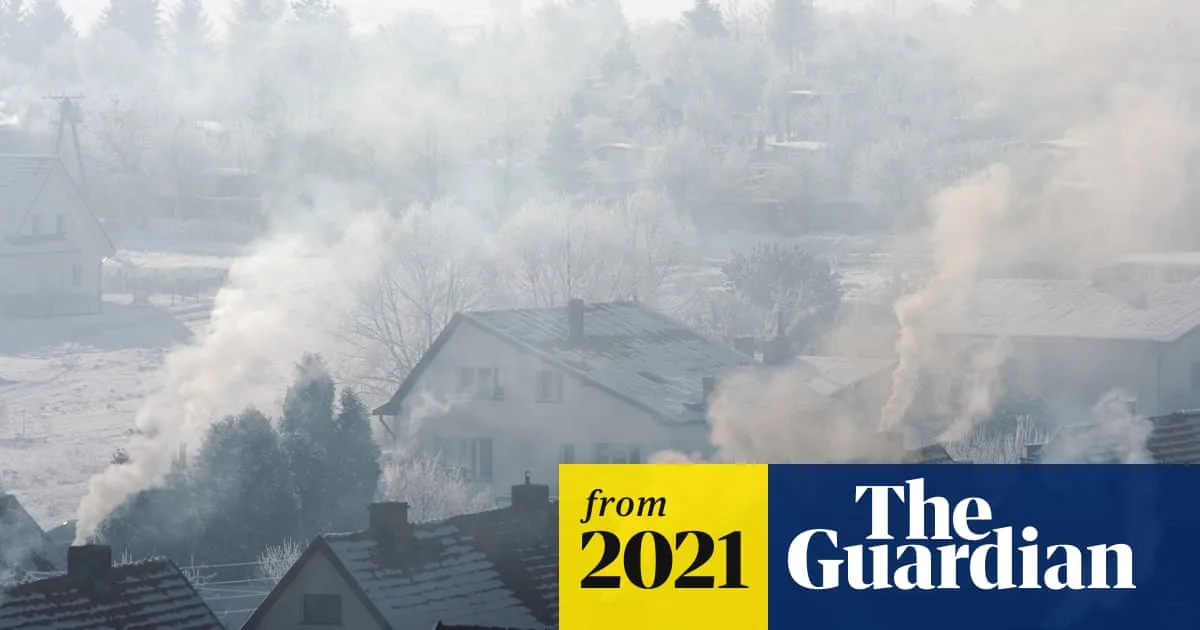
Small increases in air pollution are linked to a higher risk of irreversible sight loss from age-related macular degeneration (AMD), according to a large UK study. The research, published in the British Journal of Ophthalmology, found that even modest rises in pollutants such as tiny particles and nitrogen dioxide were associated with an elevated risk of AMD, the leading cause of blindness among over-50s in high-income countries.
The study used data on 116,000 people aged 40-69 from the UK Biobank database, none of whom had eye problems at the start. Researchers analysed exposure to air pollution and compared it to self-reported AMD diagnoses and retinal scans for more than 50,000 participants. They found that an increase of 1 microgram per cubic metre in fine particulate matter (PM2.5) raised the risk of AMD by 8%, while similar rises in larger particles (PM10) and nitrogen dioxide were linked to a 12% higher risk of retinal changes.
AMD affects around 200 million people globally and about 5% of over-65s in the UK. While genetics and poor physical health like smoking and obesity remain the biggest risk factors, the researchers say that as lifestyles improve, air pollution will become a more significant contributor. Unlike genetics, pollution can be tackled through policy changes.
Professor Paul Foster of University College London, part of the study team, explained that the retina has a high blood flow, making it vulnerable to pollutants that travel through the body and cause inflammation. He noted that the findings do not mean people should avoid going outside, but rather provide information to make lifestyle choices, such as opting for an electric car over a diesel one.
Air pollution is already linked to a wide range of health problems, and the World Health Organization states that 90% of the global population breathes polluted air. A 2019 global review suggested that air pollution may damage every organ in the body by triggering inflammation. The researchers also highlight the potential impact of indoor air pollution, and future studies were planned but delayed by the pandemic.




