
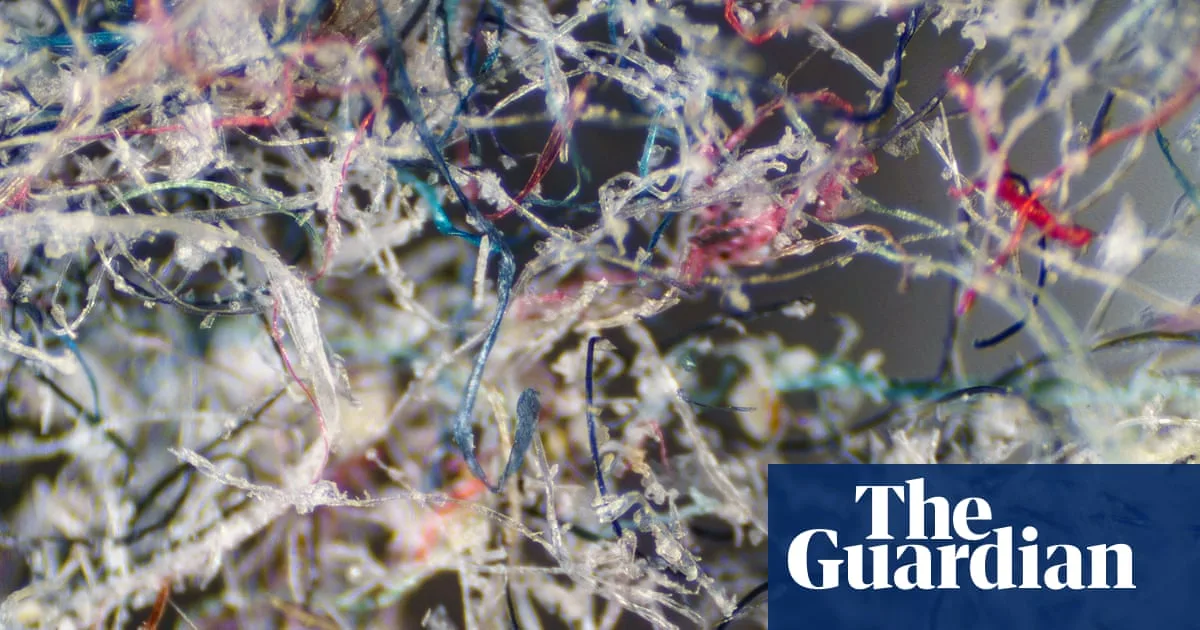
A Bristol-based company, Matter Industries, has developed a filter that captures 97% of microfibres from washing machine wastewater before they enter the environment. The invention, created by founder Adam Root, earned the company a runner-up spot in the oceans category of the 2025 Earthshot Prize.
The filter is installed above the washing machine and connects via a pipe to draw in wastewater. After each cycle, it self-cleans to prevent blockage, a feature Root says makes his design unique. Users must empty the collected waste—a mixture of microfibres, skin cells, hair, and dust—into the bin every few weeks.
Root, a former mechanical engineer and Dyson product innovator, was inspired to act after seeing ocean pollution while scuba diving. He developed the prototype on a garage floor with a £250 budget, using a homemade filter rigged to an old washing machine. Despite safety risks, he succeeded in capturing microfibres.
An estimated 69% of clothing contains plastic fibres like polyester, nylon, and acrylic. In the UK, washing machines release between 6,000 and 87,000 tonnes of clothing fibre annually into rivers and oceans. Microfibres are the most common type of microplastic in the environment, found in marine animals, air, drinking water, and food.
Root is campaigning for legislation to require microfibre filters in all UK washing machines and hopes to expand into municipal wastewater treatment plants. Matter’s filter is already available in over 30 European markets and the UK, with plans to enter the US market.




