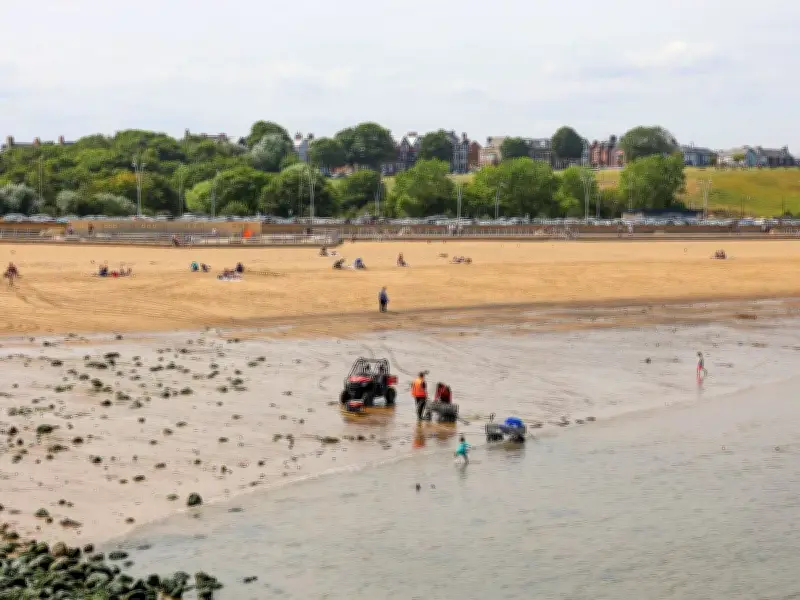
The North East Mayor has commissioned an independent review into the River Tyne nurdle spill, it was announced today. Scientific advice will be reviewed to guide the next stage of the nurdle clean-up operation.
Of the 17.92 tonnes of nurdles estimated to have entered the river, 4.78 tonnes in cleaned weight had been confirmed as recovered through on-water and shoreline operations as of September 3. Between September 3 and September 23, figures show a further 358.85 kg (0.36 tonnes) has been recovered through shoreline and on-water operations, reflecting the much smaller quantities now being found. The total recovered from the water and beaches is 5.14 tonnes.
Mayor backs calls for change in international rules
On Monday, North East Mayor Kim McGuinness confirmed she has now commissioned an independent review into the response and recovery of the plastic pellets. She said: "The news that hardly a quarter of the nurdles which fell into the River Tyne from the cargo ship BG Orange have been recovered is upsetting for many of us who care for our beaches and coast."
"So many people have done all they can to clean up but it was always going to be an uphill battle once the nurdles were in the water and dragged by the tides. We all want to know whether the response could have been faster or better, and that’s why I have commissioned an independent review into the response and recovery."
Remaining nurdles likely dispersed into North Sea
McGuinness added: "I am also backing calls for a change in international rules about how plastic nurdles are transported - it’s simply crazy they can be packed loose in a container, causing the kind of pollution we have seen when an accident happens. The scientific advice is that most of the remaining nurdles are probably quite far out in the North Sea now, but winter storms mean they may still wash up on our beaches unexpectedly. It’s vital the agencies involved in the clean up are ready and act quickly to continue their work when this happens."
South Tyneside Council has said that many of the nurdles released into the environment are likely to have dispersed beyond the Tyne estuary out into the North Sea, while some material may remain within the river system. Nurdles may continue to wash up on parts of the coastline in the future, with weather conditions, tides and winds influencing where and when this occurs.