
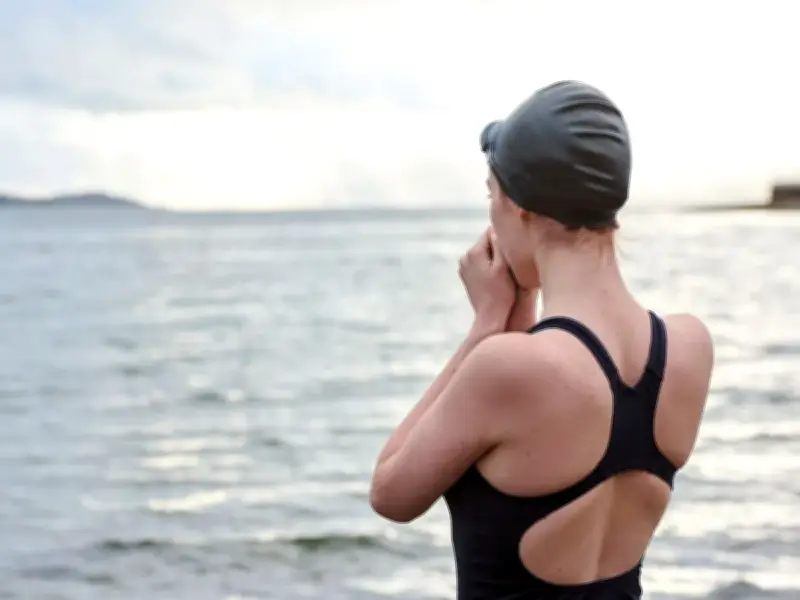
Half of Scotland’s wild swimming hotspots breached pollution standards this year due to unsafe levels of “faecal bacteria” including E.coli. Bathing locations like Portobello beach in Edinburgh, Kinghorn Harbour in Fife and Saltcoats beach in Ayrshire all faced do-not-swim warnings this summer due to pollution believed to be linked to sewage spills.
Breaches at designated bathing waters
New figures uncovered by the Lib Dems reveal 44 of the country’s 90 designated bathing waters breached standards for E.coli and intestinal enterococci (IE) found in animal and human waste. Water contaminated with the dangerous bacteria can lead to stomach bugs, ear and eye infections and other ailments if ingested.
It comes despite repeated boasts from the SNP about the quality of Scotland’s tourist hotspot bathing waters, with nearly nine in ten officially described as in “good” or “excellent” condition.
Concerns over year-round safety
Liberal Democrat MSP Sanne Dijkstra-Downie said: “Our bathing waters are visited by thousands of Scots every year, from swimmers to pet owners. They ought to be able to enjoy our coastline without worrying about what is in the water.
“Pollution has led to a spate of beach closures all summer long, yet it is only during these summer months that the water quality is regularly tested, despite many of these sites being popular all year.
“This situation simply isn’t good enough. No matter what time of year it is, we need to give people confidence that our bathing waters are safe to use.”
Sewage spills and bonuses
Across all Scottish waterways, sewage leaked into the environment at least 23,672 times in 2025, discharging 22billion litres of waste water into rivers, lochs and seas. We previously told of expert research warning almost all raw sewage spills in Scotland could be illegal.
It comes as bosses at publicly owned Scottish Water, which oversees Scotland’s sewer network, received more than £250,000 in bonuses last year, including CEO Alex Plant who was given £115,000 on top of his £315,000 salary.
Highest readings recorded
Environment regulator SEPA carries out water quality tests during the bathing season from May to September. The highest level of E.coli was recorded at Lower Largo in Fife, where it was shockingly found to be at least 20 times the safe limit. The highest level of IE recorded was at Portobello West beach where it was 47 times over the safe limit.
Lib Dem MP and UK deputy leader Wendy Chamberlain, whose North East Fife seat includes Lower Largo, said: “Locals will be shocked and appalled at the levels of E.coli.
“People come from miles around to use the beach all year round and it is important that there is a plan in place for keeping dog walkers and beach users safe.
“I know Scottish Water has made a considerable investment in upgrading and improving infrastructure at Lower Largo this summer. I hope this will swiftly bear fruit.”
A SEPA spokeswoman said: “Individual sample results provide a snapshot of water quality at the time the sample was taken and should not be interpreted in the same way as the statutory bathing water classification.
“E.coli and intestinal enterococci are indicators of faecal contamination, which can come from a range of sources including sewage, agricultural run-off, birds and other animals.”
The Scottish Government said: “Scotland is achieving good environmental outcomes. 97 per cent of bathing waters achieve the bathing water quality standard, with 82 per cent rated good or excellent.”
Scottish Water said its overflow pipes which discharge sewage into waterways “are designed to protect our homes and businesses from sewer flooding during heavy rain” and waste water “is heavily diluted with less than 1 per cent coming from toilets.”




