
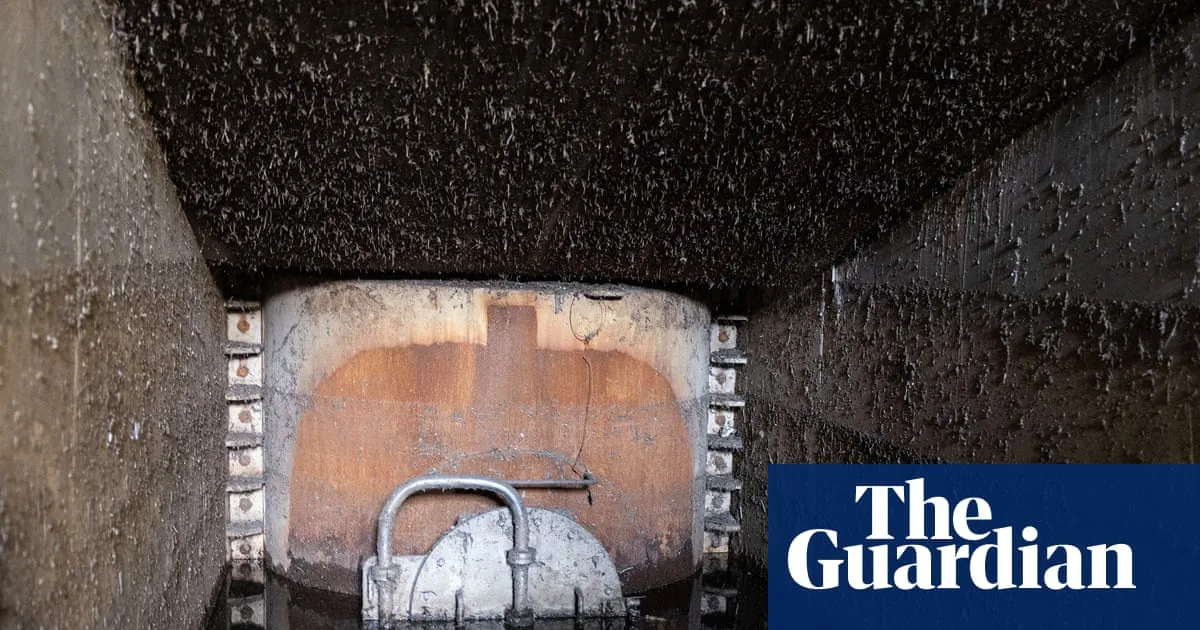
A giant fatberg the size of four buses is lurking in an inaccessible chamber at Sydney's Malabar wastewater treatment plant, threatening to cause further beach closures. The congealed mass of fats, oils and grease (FOG) sits behind a bulkhead door in a so-called dead zone that cannot be properly accessed for removal.
The fatberg has been blamed for producing 'poo balls' that closed several of Sydney's most famous beaches, including Coogee, Bondi and Manly, in late 2024 and early 2025. The New South Wales Environment Protection Authority (EPA) issued a pollution reduction program in February 2025, requiring Sydney Water to remove the fat from the deep ocean outfall bulkhead area.
According to Fiona Copeman, hub manager of the Malabar plant, the chamber holds around 300 cubic metres of FOG. Sydney Water has attempted to survey the fatberg using a drone, but turbulence from sewer gases and rapid effluent flow prevented it from flying properly. The working theory is that pieces break off during 'sloughing events' caused by power loss or heavy rainfall, forcing the debris through diffusers at the end of the ocean outfall 2.3km out to sea, where it is carried back to shore.
Crews can only access a small five-metre area behind the bulkhead door, and only during low tides and minimal rainfall. Typically every four to six months, workers pump out rainwater and insert a hose to remove spillover. In April 2025, 53 tonnes of fat were removed via a gas vent above ground, but more material continues to accumulate behind the stopboards where the main fatberg remains undisturbed.
Sydney Water says the only way to access the main fatberg would be to shut down the outfall for months and dump primary-only treated sewage at the cliff face. A secret August 2025 Sydney Water report obtained by The Guardian noted that this approach had 'never been done' and was 'no longer considered an acceptable approach'. The utility insists most of the outfall tunnel is unsafe for people to access.




