
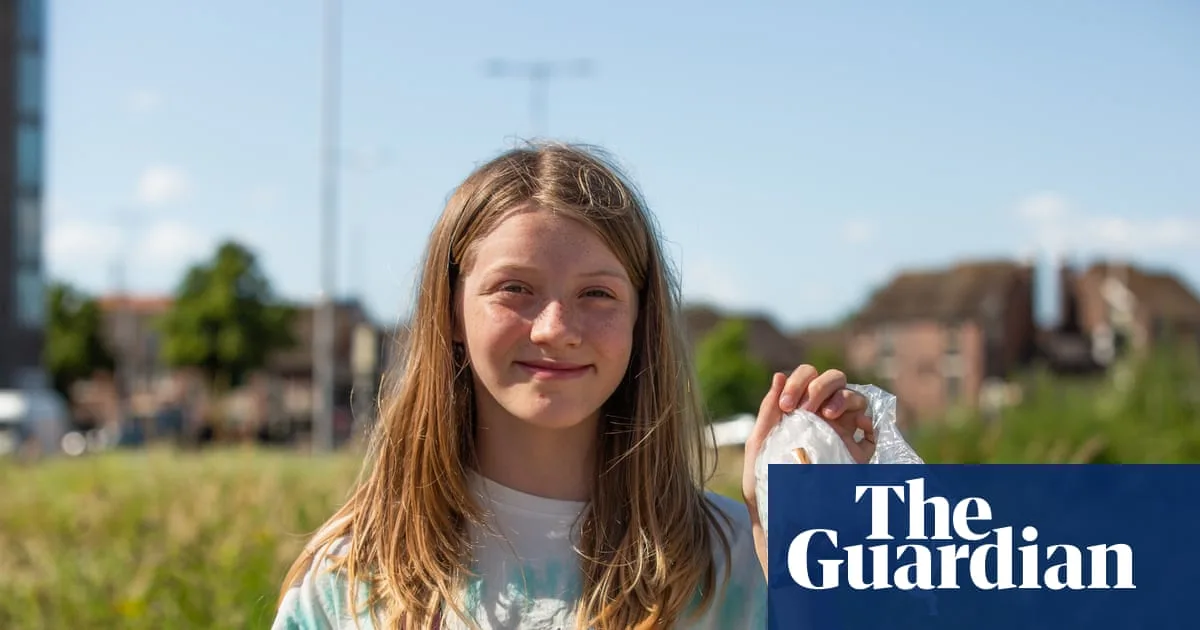
A food truck in the Netherlands is offering Dutch pancakes in exchange for cigarette butts, aiming to change attitudes towards litter. The WasteBar, a yellow truck adorned with slogans such as “don’t waste waste!”, accepts 20 cigarette butts for a plate of poffertjes – small Dutch pancakes typically served with butter and sugar. Drinks cost 10 butts, while fruits and candies are 15. The truck also accepts plastic: 15 pieces for a poffertje.
Cigarette butts are the most common form of plastic waste globally, with over 4.5 trillion produced each year. In the Netherlands, the figure is in the hundreds of millions. Dutch municipalities spend an estimated €36 million (£31 million) annually on cleaning them up. The WasteBar has serviced more than 50 events since its launch in 2022, collecting over 500,000 cigarette butts.
The concept originated in Goa, India, as part of a 2019 campaign by Dutch entrepreneur Noreen van Holstein to tackle beach litter. After returning to the Netherlands in 2020, she integrated the bar into a foundation she runs with Lalita van Lamsweerde and launched the WasteBar food truck in 2022. “I wasn’t sure whether people would be apprehensive of picking up things from the ground,” Van Holstein said. “But immediately from the start, it was just positivity.”
The WasteBar is funded by grants and municipality funds. Collected butts are awaiting proper disposal, with Van Holstein noting she currently has about 100,000 in a drum in her garden. She hopes to find a recycling partner this year. The initiative also participates in No Butts Day, an annual event on the first Saturday of July that began in the Netherlands and has grown internationally.
Behavioural scientist Reint Jan Renes from the Amsterdam University of Applied Sciences said the WasteBar uses effective mechanisms to reduce littering. “It turns something abstract like littering into a visible, collective social activity,” he said. “If enough people begin to associate litter cleanup with civic pride, creativity or community participation rather than punishment or obligation, the initiative may help seed a wider cultural shift.”
Van Holstein hopes to prompt a “mentality change” around litter, particularly among children. “We want to get people in action mode, and [hope] that by picking up litter, they would not litter any more, because we believe that once seen, it cannot be unseen,” she said. She acknowledges that one truck cannot solve the problem alone but remains optimistic, pointing to Singapore and Nordic countries as examples of clean cities.




