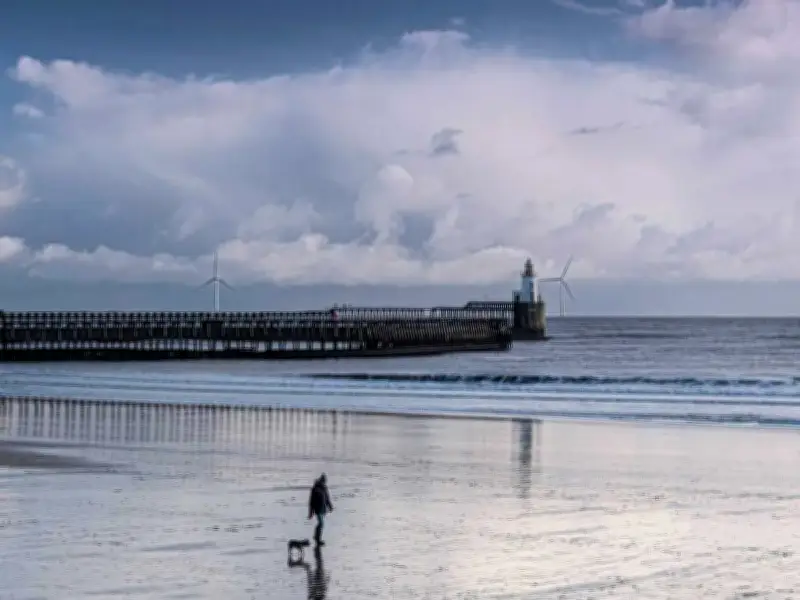
Laboratory testing has confirmed that the strong-smelling substance found on Blyth Beach is creosote. The Port of Blyth issued the update as access restrictions remain in place following the discovery in August.
Investigation identifies likely source
The trust is working with the Environment Agency and Northumberland County Council in response to the incident. Enquiries into the circumstances have indicated that the likely source is a former timber treatment work, which operated on land adjacent to the area until around 1980.
Next steps and monitoring
The Port of Blyth has appointed specialist consultants to support the investigation as it continues, with a site investigation plan being created to map out what will happen next. The limits on both land access and bathing in the impacted area, north of the Dave Stephens Centre, are still in place, and the trust is continuing to advise people against this.
As part of the reaction, the Environment Agency has started a regular programme of water testing along Blyth South Beach, with the first sample collected last week. The trust has said that this will help monitor water quality and provide the evidence needed to support any future decisions about advice and access restrictions.
Impact on the community
On the impact that this is having on local people, the Port of Blyth added: "We recognise that these restrictions continue to affect residents, visitors, and local businesses."
The restrictions will remain under review as further evidence becomes available. The trust stated: "Our priority remains protecting public health and the environment while investigations and plans for remediation progress."