The Trump administration has revoked the endangerment finding, a 2009 scientific determination that allowed the Environmental Protection Agency (EPA) to regulate greenhouse gas emissions. The move, described by critics as a gift to 'billionaire polluters', removes the government's ability to limit climate-heating pollution from vehicles, power plants, and other industrial sources.
President Donald Trump called the repeal 'the single largest deregulatory action in American history'. The decision is part of a broader anti-environment push that has seen the administration roll back pollution rules and boost oil and gas production. Former President Barack Obama said the repeal will leave Americans 'less safe, less healthy and less able to fight climate change'.
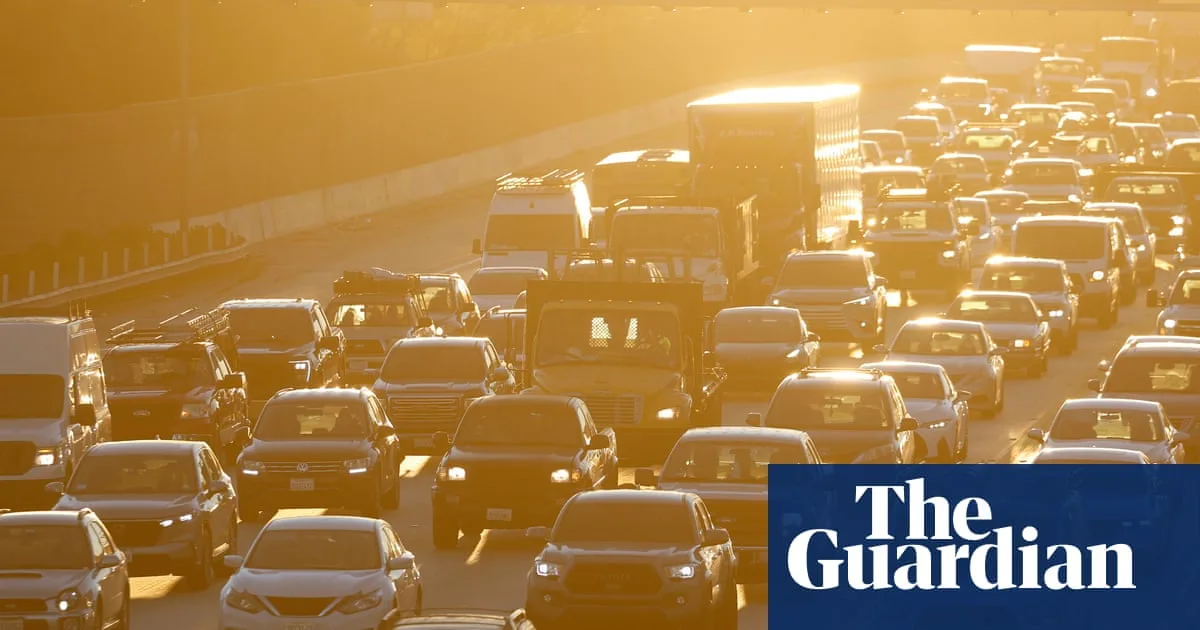
The final rule specifically eliminates requirements to track, report, and limit emissions from cars and trucks, which are the largest source of climate pollution in the US. While it does not immediately affect stationary sources like power plants, experts expect the EPA to apply similar arguments to those sectors, potentially dismantling all federal climate regulations.
Environmental advocates have condemned the move as illegal, with groups including the state of California vowing to challenge it in court. California Governor Gavin Newsom warned that the rollback would lead to 'more deadly wildfires, more extreme heat deaths, more climate-driven floods and droughts'. Dominique Browning of Moms Clean Air Force called it 'the most aggressive, ruthless act of dismantling public health protections in the agency's 55-year history'.
The EPA claims the repeal will save the US $1.3 trillion, but analysts warn it could cost ordinary Americans dearly. An Environmental Defense Fund analysis estimated that the full repeal, combined with proposed rollbacks of motor vehicle standards, could result in up to 18 billion more tons of planet-warming pollution by 2055—equivalent to annual emissions from the entire global transportation sector.