Cadeler chief executive Mikkel Gleerup has admitted that the clean-up of an estimated one billion plastic pellets spilled into the River Tyne after a ship collision has "not met community expectations".
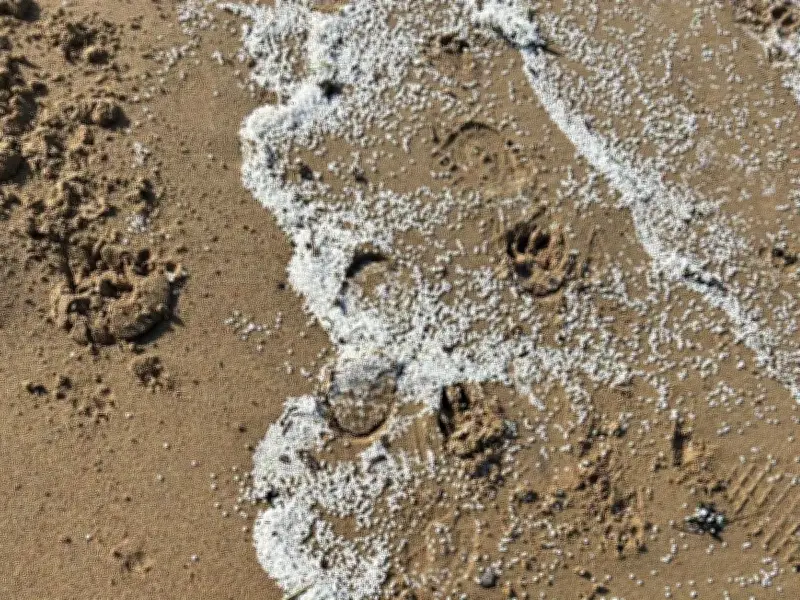
The pellets, known as nurdles, have been washing up on beaches across the North East coastline since the collision between the Wind Orca and the berthed container ship BG Orange at the Port of Tyne on July 19.
Mayor Writes to Shipping Firms
North East mayor Kim McGuinness last week wrote to Cadeler and BG Freight Line demanding swifter action and that they foot the bill for what she called "the worst incident of nurdle pollution in Europe".
In a reply on Saturday, Mr Gleerup confirmed that specialist pollution response contractors are now being deployed to "step up" the operation.
CEO acknowledges 'time is of the essence'
In a letter seen by the Local Democracy Reporting Service, Mr Gleerup said: "From the moment Cadeler became aware of the nurdle spill, my team's priority has been to ensure an effective response. The specialist pollution response is being coordinated through the owners and insurers of the BG Orange, with whom Cadeler and our own insurers are in direct contact.
"We are advised that BG Orange took immediate steps, following the incident, to minimise further nurdles entering the water, and that they have subsequently appointed Solis Marine as spill managers, with Briggs Marine engaged as clean-up contractors. In addition, we understand that the Port of Tyne has engaged Ambipar. Briggs and Ambipar are experienced specialist pollution response contractors and well placed to determine the mobilisation of personnel and equipment as they continue to step up containment and clean-up operations."
He added: "I recognise that the pace of the initial mobilisation of specialist contractors has not met community expectations. Cadeler shares the view that time is of the essence, and we are pleased to see that significant specialist resources are now deployed."
Council and volunteer efforts
The Port of Tyne has erected a floating barrier around the BG Orange and dispatched boats to clear pellets. Local authority teams and volunteers have also been working to clear the beaches.
Ms McGuinness said: "It’s crucial that the shipping firms responsible for spilling plastic nurdle pollution on our precious beaches pay for the clean up. I wrote to them last week to make sure they do, particularly in the light of the huge volunteer and council operation already underway. They now have dedicated contractors working on the clean up and they’ve admitted they need to move faster.
"This is a great start but I’ll continue to hold them to that and push to make sure they continue with this until the clean up is complete. Huge thanks to everyone out there working to restore the beaches we are so very proud of back to normal."