
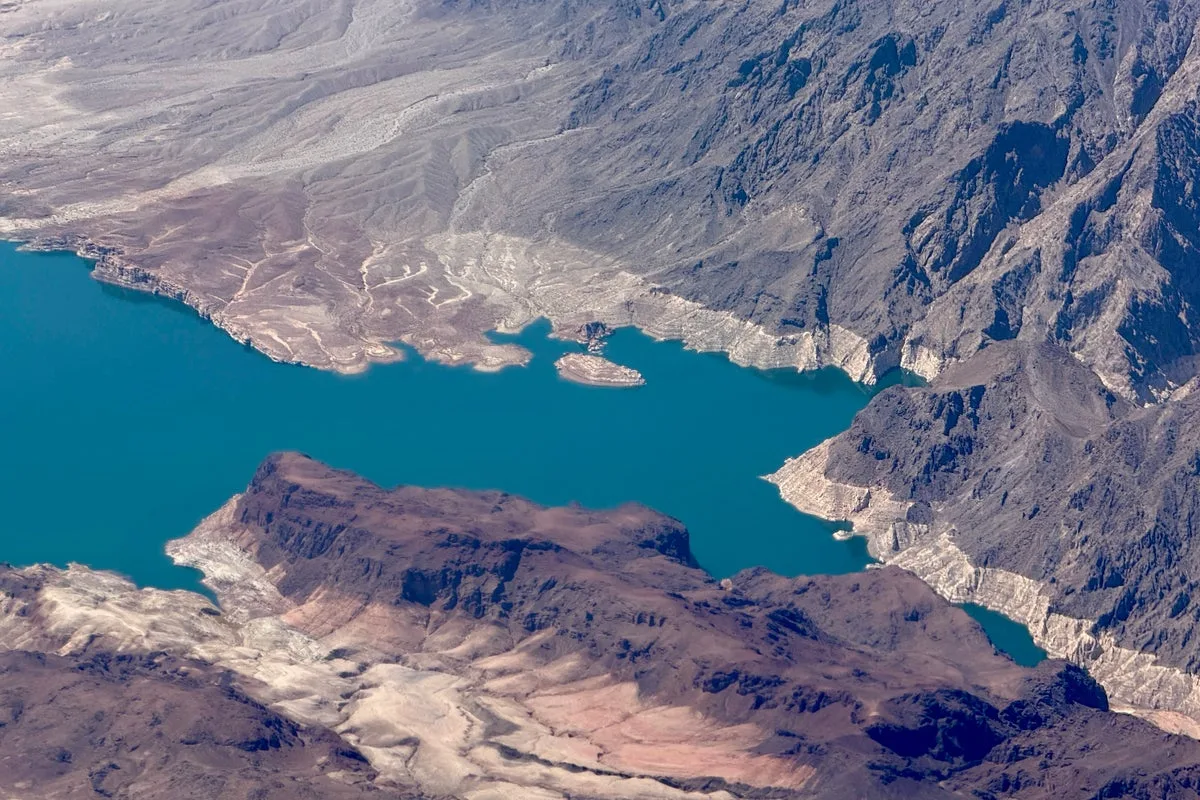
Scientists have discovered a rare brain-eating amoeba in recreational waters at several national parks in the western United States, including Lake Mead, Grand Teton and Yellowstone. The findings were published by the US Geological Survey and partner agencies.
Researchers surveyed 40 thermally impacted recreational waters in five national parks and recreation areas, taking 185 samples. The amoeba, Naegleria fowleri, was found in about one-third of samples, specifically from Lake Mead, Grand Teton and Yellowstone.
Naegleria fowleri thrives in warm freshwater and can cause primary amebic meningoencephalitis (PAM), a brain infection that is fatal in 98 per cent of cases. Fewer than ten people contract PAM in the US each year, but nearly everyone who gets it dies.
From 1962 to 2024, there have been 167 cases of PAM in the US, with only four survivors. Scientists noted that warming global temperatures could cause the organism to expand to new areas, urging enhanced monitoring and public awareness.
The National Park Service confirmed the findings, stating that infections remain extremely rare and no new nationwide warnings are needed. Individual parks will issue advisories if conditions warrant.




