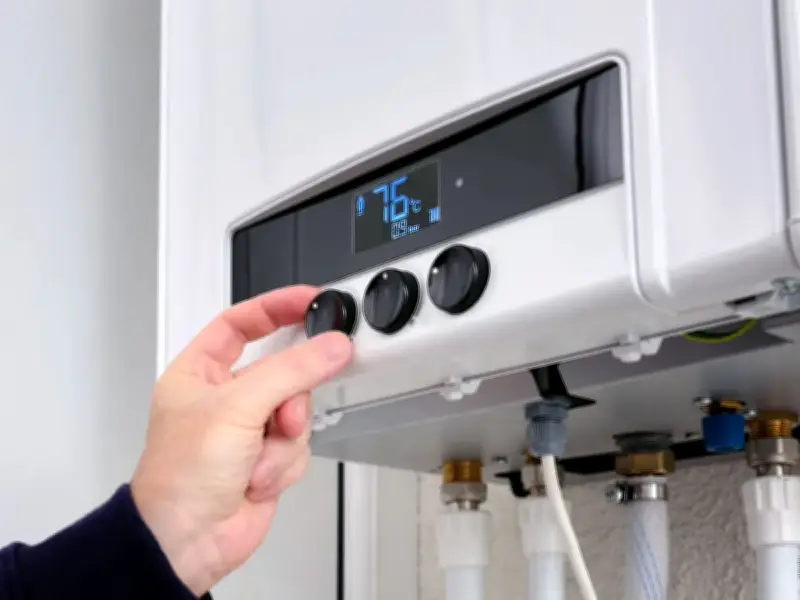
Adjusting your boiler's heating flow temperature can help a condensing boiler work more efficiently while still allowing your home to reach the temperature you want, according to advice compiled ahead of winter. However, the key is knowing which control you are changing, as turning down your room thermostat and turning down the boiler's flow temperature do different jobs.
Is There a Cheaper Time to Run the Heating?
For most people with gas central heating, there is no special overnight gas discount. Moving heating to midnight will not usually make each unit of gas cheaper. Electric heating can be different, with Economy 7 and other time-of-use tariffs charging different prices at different times. Storage heaters are designed to take advantage of cheaper periods by storing heat for later.
The crucial detail is which fuel provides your warmth. Having cheaper electricity overnight does not make the gas burned by your boiler cheaper. Check the prices per kilowatt hour on your bill. For electric heating, ask your supplier to confirm off-peak hours. With gas heating, focus on when you need warmth rather than chasing a supposed cheap hour.
Is It Dangerous Not to Turn the Heating On?
Leaving it off while your home remains comfortably warm is different from spending days in a cold house. The NHS advises heating regularly used rooms, including living room and bedroom, to at least 18°C if possible, particularly for those with health conditions. Older people and young children are among those more vulnerable to cold.
Use a room thermometer rather than a calendar rule. If cost makes you reluctant to switch the heating on, ask your supplier about an affordable payment arrangement and whether you qualify for support with outstanding energy bills. Explain any health conditions in your household.
Will Turning the Boiler Down Save Money?
Lowering the boiler's heating flow temperature can help a condensing boiler work more efficiently while still reaching your desired indoor temperature. The trade-off is that rooms may take longer to warm up. For a combi boiler with separate controls, Citizens Advice suggests trying a radiator flow temperature of 60°C. Check your manual first and monitor whether your home still gets warm enough.
Photograph the original setting before adjusting it. Judge the result by room temperature and comfort. A radiator that feels less fiercely hot is not automatically doing a worse job.
Hot Water and Other Settings
If you have a separate hot-water cylinder, your boiler may use one flow-temperature setting for both radiators and stored hot water. Energy Saving Trust advises keeping that setting at least 65°C to heat the cylinder to 60°C. Stored hot water needs appropriate temperature control to prevent harmful bacteria growing. A combi boiler heats water on demand and works differently.
Identify your heating system before changing anything. If unsure, ask a qualified heating engineer. Heat-pump owners should follow their installer's instructions, including the hot-water hygiene programme.
Is It Cheaper to Leave Heating on Low All Day?
For boiler central heating, maintaining warmth all day generally uses more energy than scheduling heating for when it is needed. Heat escapes through the building while you maintain indoor temperature. Heat pumps are different; they often operate more efficiently with longer, steadier running.
Match the schedule to your system and household. If you spend most of the day in one room, compare the cost of a portable heater with central heating. Heating a smaller space can save money, but running an electric heater for hours is not automatically cheaper.
If your boiler runs after turning radiators down, the thermostat and radiator valve may be working against each other. Check the radiator in the room containing your main thermostat. Resist turning an ordinary thermostat far above your desired temperature to speed things up.
Direct Debit and Ventilation
Your monthly payment and the cost of energy you actually use are different things. A fixed Direct Debit spreads expected costs across the year and may include repayments towards existing debt. Ask your supplier to separate current energy use from debt repayments. Check whether the bill uses actual or estimated readings.
You can request a refund of energy account credit, but first check the balance reflects your latest bill and accurate meter readings. Credit built up during summer may help cover higher winter usage. Consider a partial refund while retaining a cushion.
Do not close every vent to keep warmth in. Sealing an unwanted draught is different from blocking ventilation your home needs. Moisture can condense on cold surfaces, and inadequate ventilation can contribute to damp and mould. Keep required vents clear and use extractor fans as intended. Persistent mould can point to leaks or poor insulation; if you rent, report it to your landlord.
Change one heating setting at a time and check whether you remain comfortable. Consider the weather when comparing energy use. Understanding your tariff, heating system, and temperature controls gives a stronger starting point for making better decisions.