
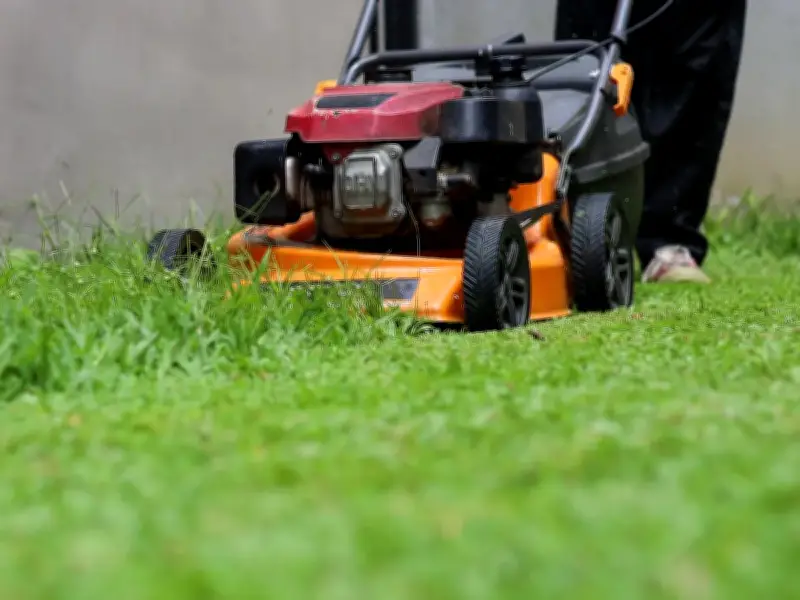
Homeowners may be mowing their lawns well into the festive season this year, according to experts at home improvement specialist BLACK+DECKER. Google searches for “when to stop cutting the grass” have surged 40% this week as Brits look to put their gardening tools away for the colder months.
Final Cut Could Be December 31
The experts analysed temperature data from the past three years to identify the ideal time for the final cut of 2026. According to the Royal Horticultural Society, grass won’t grow in temperatures below 7C. In line with temperature data, the date the experts expect to mow for the final time in 2026 is December 31, the very last day of the year.
From this point, temperatures are expected to stay below 7C consistently. The experts also warned of issues to watch out for when mowing in winter.
Expert Advice on Winter Mowing
Nick Ee, product training manager at BLACK+DECKER, said: “While there are several factors that determine when you should stop mowing your lawn for winter, our research suggests that Brits could still be cutting their grass as late as December this year, which may be much later than homeowners expect.
“Grass can continue to grow while temperatures remain mild, so there isn’t necessarily a need to put the lawnmower away at the first sign of colder weather.
“However, as we move further into winter, it’s important to pay close attention to your local forecast and the condition of your lawn before mowing.
“Even if temperatures are still high enough for grass to grow, avoid mowing when the ground is waterlogged or the grass is wet or frosty. Cutting in unsuitable winter conditions can damage the grass when it’s already under additional seasonal stress, while excess moisture and debris can also clog your mower and affect its performance.”
Wet, Frosty and Windy Conditions
Nick explained the effects of wet weather on grass: “Wet grass clumps together, leading to an uneven cut and clogs in the lawnmower. It can also tear rather than cut cleanly, making grass vulnerable to disease.
“In terms of damage to equipment, moisture can cause rust on mower blades and clog the deck, reducing its overall performance and lifespan.”
On frost or freezing temperatures, he said: “Mowing frosty or frozen grass can shatter the blades, turning them brown and increasing stress.
“This weakens the grass and makes it more prone to disease. Cold temperatures can also make mower parts brittle, and ice buildup on moving parts can cause mechanical issues.”
On strong winds, he added: “Wind, although not too detrimental to lawn health or likely to damage the mower, can dry out freshly cut grass and cause it to spread clippings unevenly, making cleanup harder.”




