
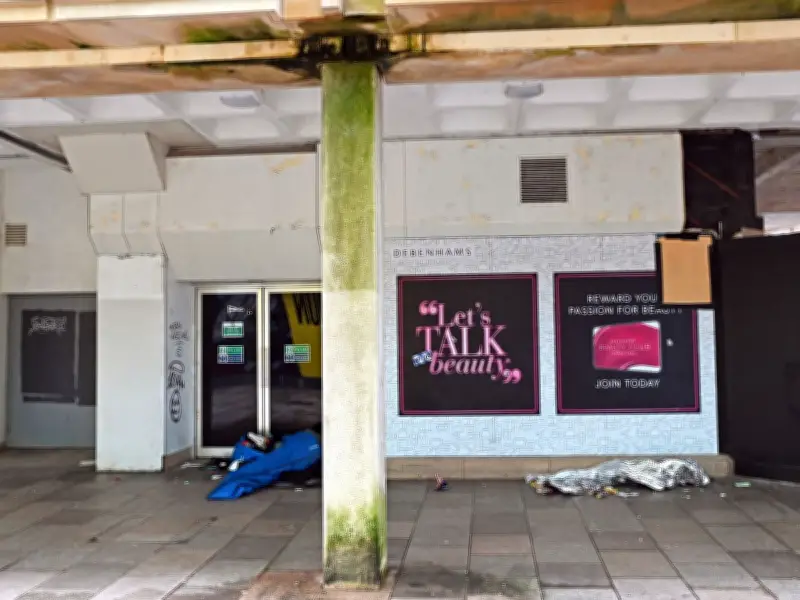
Prime Minister Andy Burnham's pledge to end rough sleeping in England has raised questions about its implications for Wales, where housing and homelessness are devolved. Katie Dalton, director of Cymorth Cymru, the representative body for homelessness, housing, and support services providers in Wales, explains what needs to change.
UK Government Levers
Burnham's announcement on July 20 was unclear whether it applied to the whole UK or just England. While prioritising homelessness is welcome, housing is devolved, so he won't determine Welsh policy. The extra £340m for England comes from existing budgets, meaning no funding consequential for Wales. However, UK ministers control significant levers affecting homelessness.
Local Housing Allowance (LHA) is a key area. It caps housing benefits at the cheapest 30% of private rents, but Crisis research shows it covers just 0.7% of properties in Wales, making the private rented sector unaffordable for those on welfare.
Refugee Move-On and Budget Opportunities
Refugees granted status have only 42 days to leave Home Office accommodation, which is unrealistic and shifts pressure onto local authority homelessness teams. The October budget offers a chance for Burnham to back his pledge with action on LHA rates and increased funding for social housing, which would deliver a consequential for Wales.
The Welsh Government, led by Plaid Cymru for under 100 days, has focused on childcare and NHS waiting times. Cymorth is interested in commitments on social housing, homelessness legislation, and a Housing First approach. Siân Gwenllian, appointed cabinet minister for local government, housing, and planning, has championed the right to adequate housing and played a role in the Homelessness Act.
Current Challenges and Priorities
Latest statistics show 10,282 people in temporary accommodation on May 31, 2026, and 162 rough sleepers, higher than the previous three years. Implementation of the Homelessness Act and a pledge to build 20,000 social homes are top priorities. However, building the right homes in the right places is essential, alongside rapid rehousing approaches.
Housing support services deliver £1.40 savings for every £1 spent, but need adequate funding in the 2027/28 budget. A strategic programme to expand Housing First is also needed. The workforce requires better recognition and support, and a report from autumn 2025 with recommendations should be taken forward.
Inclusion health, addressing health inequalities for marginalised groups like those experiencing homelessness, should become a strategic priority. These issues are intertwined, requiring a coordinated approach across local authorities, the third sector, and public services.




