People across the UK are to be told to stockpile water and tinned food. The Cabinet Office is to launch a campaign urging people to be ready for an emergency.
The preparations are said to be necessary in case of national emergencies, such as extreme weather or an attack by a 'hostile state', reports The Guardian. People will be told what they need to stockpile and given advice on how to cope in an emergency. The Government is stepping up preparations for dealing with incidents such as extreme heatwaves, flooding and foreign attacks - including cyber-attacks.
Coordinating crisis planning
Cabinet Office minister Louise Haigh, Andy Burnham’s deputy, is understood to be coordinating crisis planning across departments in Whitehall. Haigh’s predecessor, Darren Jones, said work was under way on the “war book” on how international conflict might affect the UK.

The Cabinet Office said: “Safeguarding national security is the first priority of any government. We’re committed to raising awareness of simple steps households can take to make themselves more resilient, as well as driving forward the home defence programme to build our country’s preparedness for various threats.”
Sir Keir Starmer, warned shortly before he left office that Russia could attack a Nato country within four years.
Existing emergency advice
The UK government already provides emergency planning advice through official platforms like the Prepare campaign. The guidance focuses on domestic resilience against extreme weather, prolonged power cuts, cyber incidents, and supply chain disruptions.
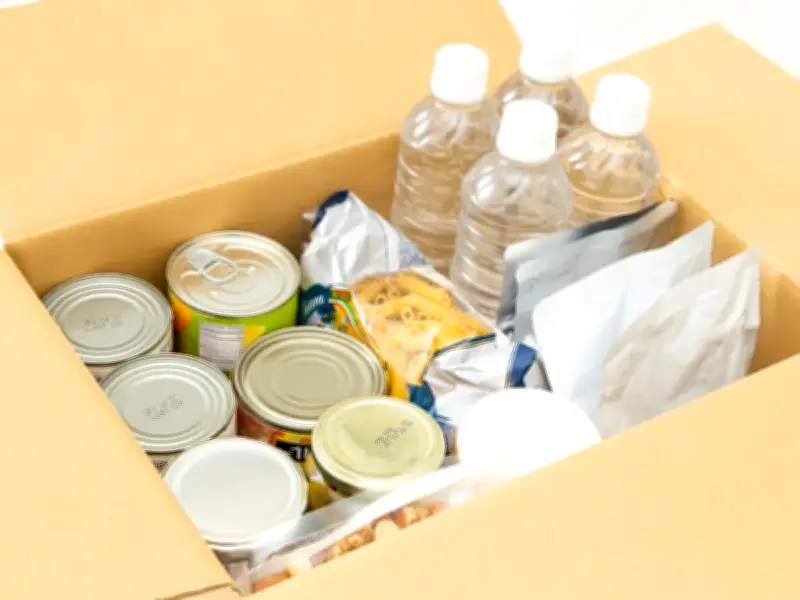
The core advice is centred around four main pillars. People are advised to stock items at home to remain self-sufficient for at least 3 days, including non-perishable food that does not require cooking (and a manual tin opener), plus bottled water. A battery-powered or wind-up torch (safer than candles) and a pre-charged portable power bank for mobile phones are also recommended, along with a wind-up or battery-powered radio (plus spare batteries) to listen to local/national updates during power or internet outages. A basic first aid kit and a multi-day supply of any daily prescription medications are also advised.
Grab bag and household plan
Households are also urged to keep a spare bag packed or easy to pack if they need to evacuate their home quickly. This should include essential medication and paper copies of medical equipment instructions, important documents, spare keys, a list of key paper phone numbers, portable chargers, a small torch, and basic hygiene items.
Making a household emergency plan involves writing crucial numbers on paper (e.g., 105 for power cuts, medical contacts, insurance) in case phone screens or digital address books are inaccessible. People should know how and where to turn off their gas, electricity, and mains water supplies in the event of a leak or flood, and establish a safe meeting spot outside the home if they get separated or cannot return. Eligible individuals (elderly, disabled, or reliant on medical equipment) are urged to sign up with their utility providers for extra support during outages.
For vehicle preparedness, drivers are advised to keep a basic emergency kit in the car boot, including high-visibility clothing, blankets, warm clothes, an in-car charger, torch, food, water, jump leads, and a snow shovel.