
Ministers are considering tough new restrictions on using water, even though rain is forecast in parts of the country. The measures could include bans on car washes, private swimming pools, and window cleaning, according to Whitehall officials.
Reservoir levels dangerously low
Experts have warned that rainfall may not be enough to offset a heatwave that has left reservoir levels dangerously low. Already, 27 million people in England are living in areas covered by hosepipe bans, and there are fears that higher temperatures will come later in the year.
The new measures, included in plans for a “reasonable worst case scenario”, could also cover watering football pitches and other sports grounds. Water companies are charged with enforcing the measures.
Government prepares for range of scenarios
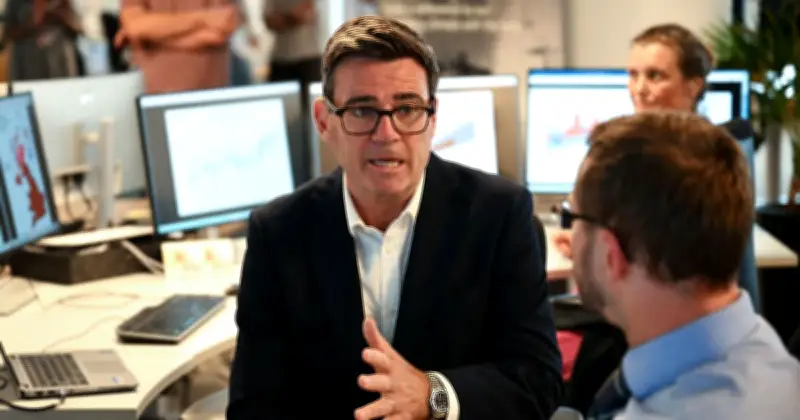
Prime Minister Andy Burnham last week met weather experts at the Met Office. The Department for Environment, Food & Rural Affairs and the Environment Agency have set up weekly meetings of the National Drought Group, which also includes the Met Office, water companies, and nature experts.
A Government spokesperson told the Times: “As any responsible government would, we are preparing for a range of scenarios and working with the National Drought Group to help maintain water supplies.”
“We expect water companies to follow their established drought management plans and go further and faster to reduce leaks. We are clear that the water sector is not working for bill payers. That is why we are driving long-term change, including requiring companies to deliver record investment in infrastructure and changing the planning system to enable the construction of nine new reservoirs.”
Food prices and inflation concerns
The hot weather could also lead to higher food prices. Many experts are forecasting that Consumer Prices Index (CPI) inflation will rise to 2.9% in July, up from a 15-month low of 2.6% in June and the highest rate since March. The ongoing conflict in the Middle East is pushing up energy costs, and there are also concerns over food inflation.
The Food and Drink Federation said “fruit, vegetable and grain supply” is being hit by recent heatwaves, with crop shortages set to feed into supermarket prices. Economists from the trade group suggested that this will put upward pressure on food inflation going into 2027.
The Office for National Statistics data for Retail Prices Index inflation in July will also be watched closely, as the July rate is used to calculate next year’s train fare increase. Last November, the then Chancellor Rachel Reeves announced that rail fares in England would be frozen in 2026 – the first such freeze for 30 years – but it is unclear if the Government will extend this for a second year.




