UK households are being urged to prepare their heating now, before the cold weather arrives and they really need it. Ofgem has confirmed the energy price cap will rise again from October 1, going from £1,663 to £1,723 a year. With costs continuing to climb, it's important to ensure homes are working as efficiently as they can.
Why check your heating now
Rob Nezard, heating expert at UK Radiators, said: "The worst time to discover your heating isn't working efficiently is the first properly cold week of the year, when everyone else is switching theirs on too. There are several simple checks you can make now, while your heating demand is still low."
He added: "The aim isn't to sit in a freezing house this winter. It's to make sure the heat you're paying for is actually heating your rooms properly."

Five simple checks to make
The first thing he recommends people do is test all the radiators before you need them. He said: "Put the heating on and physically check every radiator. You're looking for radiators that aren't warming up, have cold areas or take significantly longer than others to heat. Doing this now gives you time to identify problems rather than discovering them when you actually need the heating."
A sign that a radiator might not be working properly is cold spots at the top or bottom - this means trapped air could be preventing hot water from circulating, and it may need bleeding before the real cold sets in.
Rob said: "Bleeding a radiator is one of the simplest bits of winter preparation, but people often wait until December to think about it. If you've got cold spots at the top of a radiator, deal with them before you're relying on the heating every day."
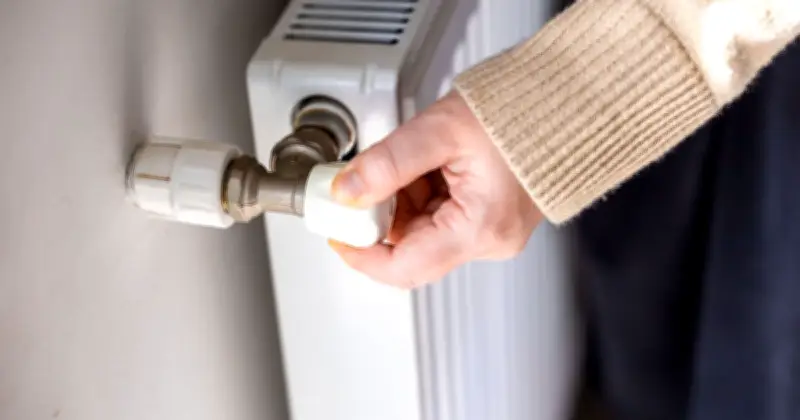
People should also check their thermostatic radiator controls (TRVs), which allow households to control individual radiators. Each room should be checked to make sure the TRVs all work and aren't stuck in place.
Rob said: "Think about how you use each room too. A spare bedroom doesn't necessarily need to be heated in exactly the same way as the living room you're using all evening."
By far the easiest way to make sure heating is effective is by checking the furniture placement. Rob continued: "Radiators need to transfer heat into the room. Putting a large sofa directly in front of one can mean you're heating the furniture before you're effectively heating the space around it. Before winter, look at where your furniture is positioned and give radiators space to work."
Keeping heat in once winter arrives
Once winter sets in, make an effort to stop all draughts in your home by closing the curtains once it gets dark, and shutting the doors in between rooms to keep heat where you want it.
Rob says the biggest mistake households can make following an energy price rise is focusing solely on turning their heating down. "People understandably see energy prices rising and immediately think they need to use their heating less. But before doing that, make sure the heating you're already paying for is working properly. Check the radiators, bleed them where necessary, make sure the valves work and remove anything that's stopping heat circulating around the room."
August and September are the ideal months to do it because you have time to fix any problems before the heating becomes something you depend on every day.