UK households have been urged to bleed their radiators before temperatures drop and energy prices increase. Ofgem announced the energy price cap increase that takes effect on October 1.
Energy price cap rise
Ofgem has announced a 4% rise in the energy price cap from October, pushing typical household bills to £1,723 a year – a three-year high. The price cap will rise by £60 per year – or £5 per month – for the average household using both electricity and gas if this level were sustained for a year.
Ofgem said the increase largely comes down to the increased wholesale price of gas due to the war in the Middle East.
Expert advice on efficiency
Neil Kenward, Ofgem’s director general for markets, said back in August: "We welcome the Government’s intervention to remove VAT from electricity bills, without which customers would have faced even higher costs this winter."
With the increase imminent, experts have urged households to make their homes as energy-efficient as possible to make sure they are not spending more than they need to. There are multiple steps people can take, such as introducing rugs to trap heat, unplugging appliances and devices that are on standby, and bleeding radiators.
How to bleed radiators
According to EDF Energy, radiators should be bled every few months. Other experts recommend doing it at least once per year. Tiny air bubbles can build up in your radiator over time, which means they don't run as efficiently as they can after a few months or years. In turn, this means that you will have to have your heating on for longer to get your home to the desired level of warmth, meaning you're spending more when it comes to energy.
British Gas says bleeding your radiators is easy and takes little time, but can make all the difference in improving the efficiency of your overall heating system. To check if your radiator needs bleeding, turn on your heating and wait for it to heat up. If it is hot at the top and cold at the bottom, you don't need to bleed your radiator. However, if it’s hot at the bottom and cold at the top, you need to bleed it.
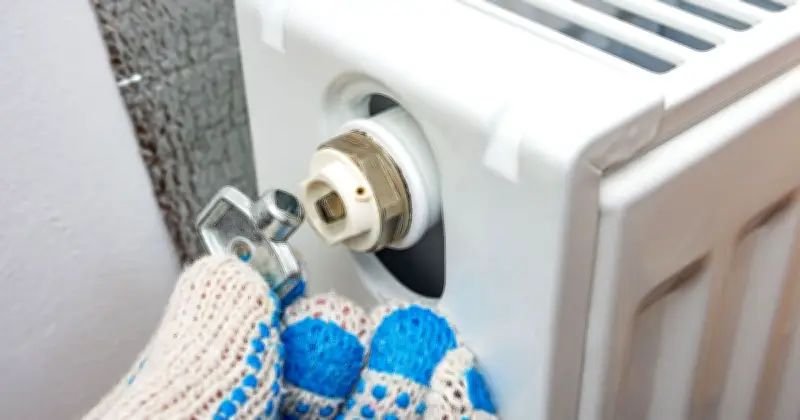
According to British Gas, these are the steps for bleeding your radiators: locate the valve and use your radiator key (or screwdriver) to open it by turning it anti-clockwise. If it’s tough to open, use a cloth to get a better grip. Only open it slightly until you hear the hissing noise, which is air escaping. Once the sound stops and water starts streaming out, make sure you catch the water in a container. Re-tighten the valve.