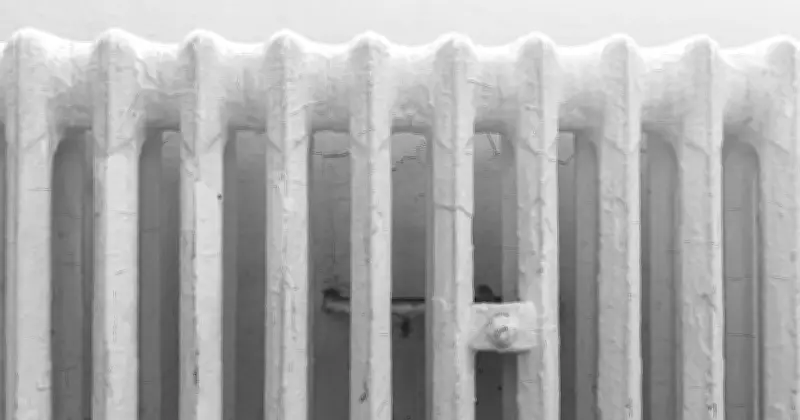
UK households are being urged to carry out three simple radiator checks before the colder weather arrives. Heating and hot water products manufacturer Ideal Heating is encouraging people to use the period before temperatures drop to clean, bleed, and clear space around their radiators, ensuring they work effectively and provide efficient heat.
Clean radiators to remove dust build-up
The first recommended task is to give radiators a proper clean, as dust can build up after months of little to no use. This can be a particular issue in hard-to-reach areas between panels and in the gap between the radiator and the wall. Removing any build-up before switching heating back on helps keep the surrounding space clear for warm air to circulate, the firm says.
Ideal Heating adds that cleaning can also help prevent the unpleasant dusty smell that often occurs when a radiator is heated after a long summer break.
Bleed radiators to release trapped air
The second job is bleeding radiators, which can help ensure central heating works effectively by releasing trapped air within the system. The firm advises carefully checking whether each radiator is warming evenly when heating is first switched back on. If it feels warm at the bottom but cold towards the top, it can be a sign that air is trapped inside, and bleeding may be required.
Chris Jessop, Ideal Heating's Group Customer Relationships Director, says: “If a radiator is cold at the top, trapped air may be preventing it from working effectively, so bleeding it could help the room warm up more efficiently. Cold spots at the bottom may indicate debris and should be checked by a heating professional.”
Clear space around radiators
The final tip is to clear the space around radiators, as they can often become obstructed by furniture, curtains, and other household items, especially during extended hot weather. The company recommends checking each room before winter and moving anything that unnecessarily blocks a radiator so warm air can move freely.
It is also recommended not to dry clothes and towels on radiators, as this can block heat distribution and increase moisture levels inside the home. Mr Jessop says it is “one of most common mistakes”.
“Covering a radiator restricts the flow of warm air into the room, while the moisture released from wet laundry can increase humidity and contribute to condensation,” he added. “Instead, keep radiators uncovered and leave space around them so heat can circulate effectively. Place clothes and towels on a drying rack in a well-ventilated room, leaving space between each item so air can circulate.”
Ideal Heating says doing these simple checks now means households can spot any potential issues before heating is needed more consistently through the chillier months. If a radiator still isn't warming as expected after basic checks, or there are signs of other problems with the heating system, households should contact a qualified heating professional for further checks.