
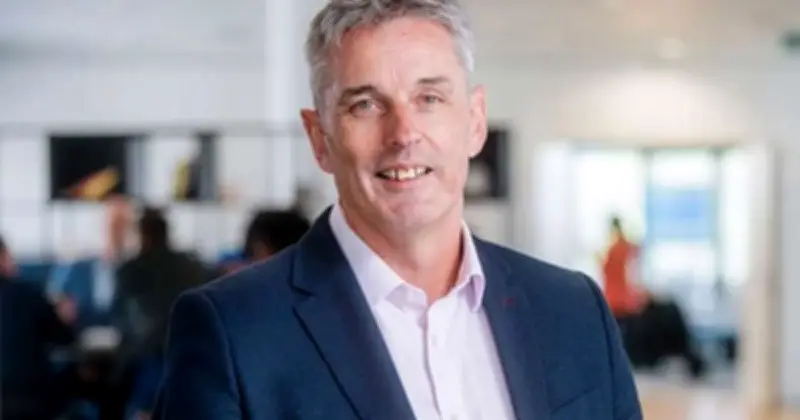
Thames Water awarded its new finance chief, Steve Buck, a £1 million signing-on payment, a move that critics say symbolises a broken water system. The company is on the brink of financial collapse, with a debt pile of nearly £20 billion, while rivers in its region are polluted with sewage and it loses 571 million litres of water daily.
Drought and Restrictions Amidst Corporate Rewards
Nearly three-quarters of England is now in drought, with millions of customers facing restrictions on water use and rivers running perilously low. Wales is also facing drought conditions. Despite this, the company still found £1 million for its top accountant, according to Amy Fairman, River Action's head of campaigns.
Frontline staff are working around the clock to hold the failing company together, while customers are asked to pay more and use less water. Fairman argues that Thames Water should be put into the Government's Special Administration Regime and rebuilt to serve customers and clean up rivers, not reward failure.
Abstraction Licences and Leaks
Thames Water is part of a much bigger failure, Fairman writes. River Action's latest investigation found 14,128 commercial abstraction licences across England and Wales, permitting for-profit businesses like golf courses and beverage manufacturers to abstract water from rivers, lakes and aquifers. Collectively, these licences permit the abstraction of more than 43 trillion litres every year – enough to fill Lake Windermere more than 144 times.
Millions of households are being told not to water their gardens, wash their cars or fill paddling pools. While responsible water use during drought is necessary, asking families to turn off their hosepipes cannot substitute for a national water strategy when water companies in England lose nearly three billion litres of treated drinking water through leaks every day.
Poultry Pollution and the Nando's Audit
More than one billion chickens are raised for meat and eggs in the UK each year, generating enormous quantities of manure. In the River Wye catchment, one of the largest concentrations of chickens in the country, excess phosphorus from poultry manure has been identified as a major contributor to nutrient pollution and algal blooms that have devastated the river.
For more than a year, River Action has been pushing Nando's to publish the independent audit it says examined waste management in its chicken supply chain. Nando's says the audit supports assurances that manure from its supplier in the Wye catchment is being responsibly managed. River Action has written to Ed Sheeran, one of Nando's famous “Black Card” holders and a supporter of nature recovery, asking him to encourage the company to publish the audit.
Nando's sells around 30 million chickens a year, and at that scale, responsibility cannot end at the factory farm. Major food companies have the power to demand high environmental standards throughout their supply chains.
Need for a National Water Security Plan
These crises cannot be treated separately. Drought, abstraction, leaking pipes, sewage, agricultural pollution and the financial collapse of Thames Water are symptoms of the same failure: the UK has spent decades taking water and healthy rivers for granted. A national water security plan is urgently needed that puts essential public water supplies, sustainable food production and healthy rivers first.
Andy Burnham's Government must tackle leakage, reform abstraction, invest in resilient infrastructure and make polluting industries responsible for their impact on rivers. Climate change means pressure on water supplies will only intensify, and difficult decisions about who gets water are coming. The UK isn't running out of water; it's running out of excuses for failing to protect it.




